Explainer: What Drives the Final Price of a Cosmetic SKU
The final price of a cosmetic SKU is determined by a combination of raw material costs, labor, packaging, quality control, and logistics. Understanding these variables helps buyers optimize sourcing decisions and negotiate better terms with manufacturers.
- Final price is a sum of material, labor, packaging, and overhead components, not a single fixed number.
- Higher cosmetic MOQs lower unit costs but increase cash flow risk and storage expenses.
- Landed cost includes freight, duties, and insurance, which can significantly alter the factory-gate price.
- Quality control and regulatory compliance are fixed costs that are often underestimated.
- Transparent pricing breakdowns help buyers identify where to negotiate or adjust specifications.
What Is Manufacturing Cost in Cosmetic Production
Manufacturing cost is the total expense a factory incurs to produce a cosmetic SKU from raw ingredients to finished, labeled units. It is not just the price of the formula. It covers materials, labor, equipment, quality checks, and compliance. When you receive a quote from a cosmetics OEM or ODM provider, the unit price reflects all these elements combined.
The cost structure varies by product type. A simple lotion costs less to produce than a serum with complex actives or a multi-phase emulsion. The base material, the number of processing steps, and the level of quality control all shape the final number.
How Raw Materials Influence the Final Price
Raw materials are usually the largest single component of manufacturing costs. Active ingredients, preservatives, emulsifiers, and base oils or butters each carry their own price point. Volatility in commodity markets can shift these costs quickly. For example, shea butter prices can fluctuate based on harvest cycles and supply chain conditions.
Formulation complexity adds another layer. A product with five ingredients has a simpler bill of materials than one with twenty. More ingredients mean more sourcing, more testing, and more handling during mixing. The cost of the raw materials directly scales with the number of components and their concentrations in the formula.
Buyers often underestimate the impact of ingredient sourcing. Sourcing from a single supplier may offer a stable price but limits negotiation power. Using multiple suppliers can reduce risk but increases management overhead. The choice between cost and supply chain resilience is a key decision point.
The Role of Labor and Production Efficiency
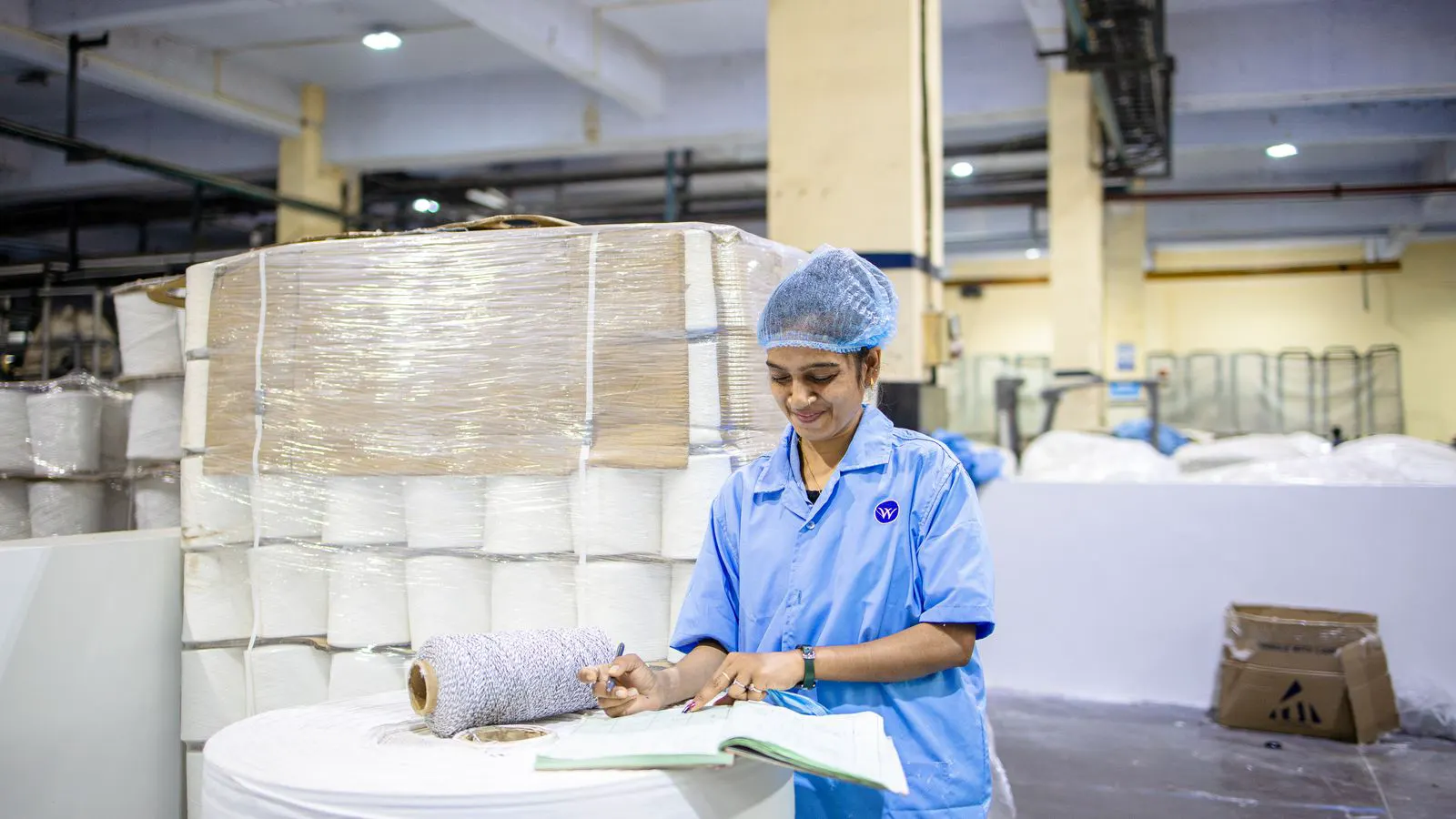
Labor costs depend on the factory location, skill level of operators, and production volume. In regions with lower labor costs, the manufacturing costs may be lower per unit. However, lower labor rates do not always translate to lower total costs if quality control is inconsistent.
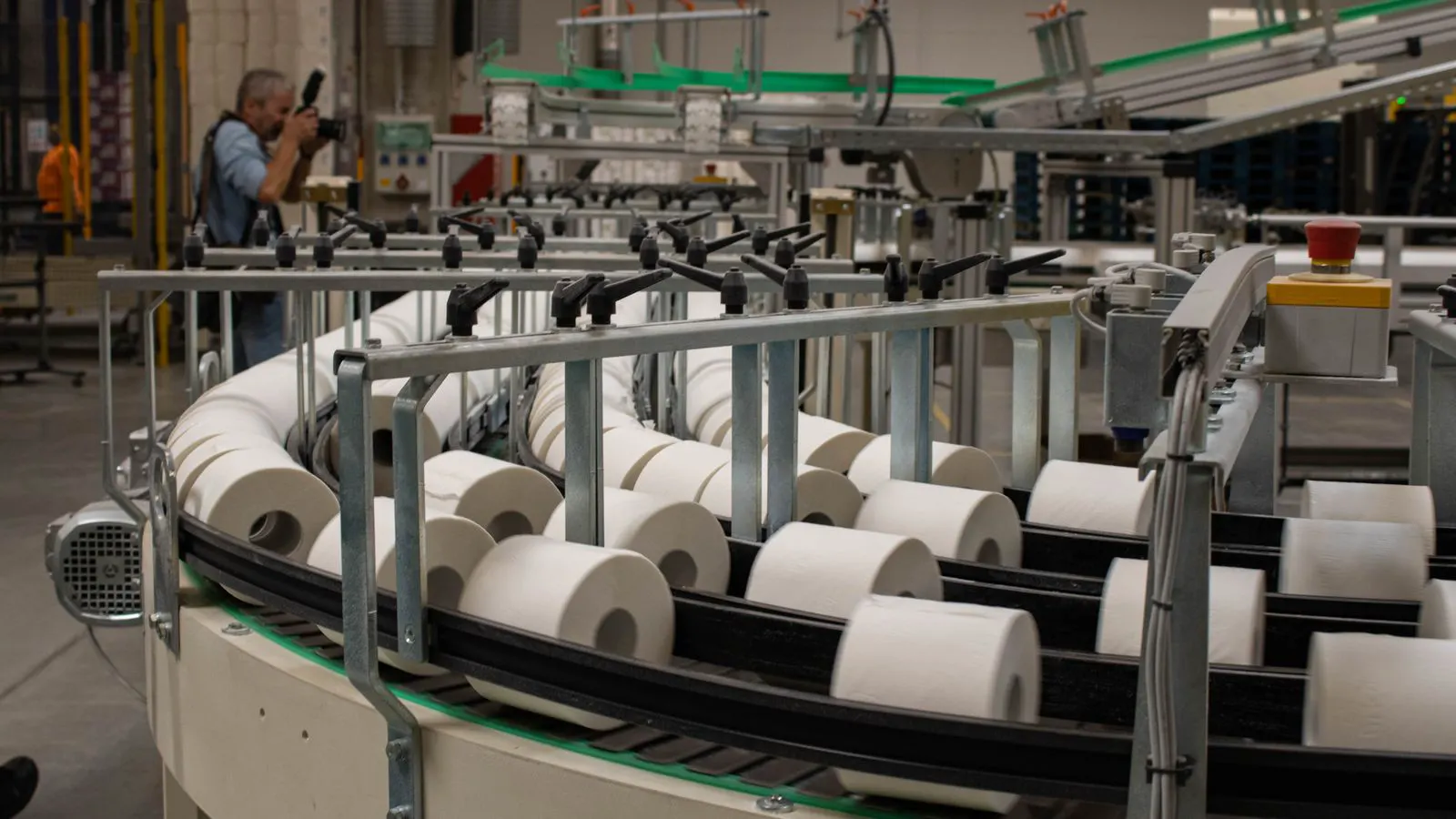
Production efficiency is a major factor. A facility with automated filling lines can produce thousands of units per hour. A manual operation may be slower but offers more flexibility for small batches. The speed of production affects the cost per unit. Faster lines reduce the labor time per unit, lowering the manufacturing costs for large orders.
The cosmetic MOQ matters here. Most factories have a minimum order quantity that aligns with their efficient production runs. Ordering below the MOQ can increase unit costs because the factory must run the line for a shorter time, spreading fixed costs over fewer units. Ordering at or above the MOQ allows the factory to optimize its run, reducing the cost per unit.
Packaging and Secondary Packaging Costs
Packaging is a visible and significant cost component. Primary packaging includes the bottle, jar, pump, or tube. Secondary packaging includes boxes, sleeves, and labeling. The material choice, size, and finishing process all affect the price.
A simple glass jar costs more than a plastic bottle. A pump mechanism adds cost and complexity. Custom colors, embossing, or special printing increase the packaging price. The design of the package must also accommodate the product. A thick cream may require a different jar than a thin lotion.
MOQs for packaging often differ from those for the formula. Packaging suppliers may require higher minimums. If the packaging MOQ is higher than the production MOQ, the buyer must store extra units. This ties up cash flow and storage space. It is a common source of higher-than-expected costs.
Quality Control and Compliance Overheads
Quality control is not optional. It is a fixed cost in the manufacturing process. Every batch must be tested for pH, viscosity, microbial content, and stability. These tests require equipment, trained personnel, and sometimes external laboratories.
Regulatory compliance adds another layer of cost. Depending on the target market, the product may require specific labeling, ingredient declarations, or safety assessments. These requirements vary by country and product type. The cost of compliance is built into the manufacturing costs.
Quality control also includes in-process checks. During mixing, operators check temperature, mixing time, and visual appearance. These checks prevent defects and ensure consistency. Skipping or reducing quality control can lead to rejects, recalls, and brand damage. The cost of quality is always lower than the cost of failure.
Logistics and Landed Cost
Landed cost is the final price of the product at the buyer’s warehouse. It includes the manufacturing cost, freight, insurance, and any applicable duties or taxes. The distance between the factory and the buyer affects freight costs. Shipping by sea is cheaper but slower. Shipping by air is faster but more expensive.
Duties and taxes depend on the product classification and the trade agreements between countries. These costs can be significant for certain ingredients or finished goods. They are often overlooked in initial quotes. The factory-gate price does not include these charges.
The choice of incoterms affects who pays for what. A buyer using a different incoterm may shift some freight and insurance costs to the factory or absorb them themselves. The final landed cost is the sum of all these elements. It is the true cost of the product.
How MOQs and Volume Affect Production Pricing
The relationship between cosmetic MOQ and production pricing is direct. Higher volume orders spread fixed costs over more units. Fixed costs include setup, quality control, and compliance. When the order size increases, the fixed cost per unit decreases. This lowers the manufacturing costs per unit.
However, MOQs also affect cash flow. A higher MOQ requires a larger upfront payment or inventory investment. The buyer must manage working capital. If the product sells slowly, the tied-up capital becomes a financial risk. The optimal MOQ balances unit cost reduction with cash flow needs.
Volume discounts are common. Factories may offer lower unit prices for larger orders. These discounts are not automatic. They depend on the factory’s capacity, the product type, and the buyer’s negotiation. It is a standard part of production pricing.
Worked Example in Plain Words
Consider a buyer sourcing a basic moisturizing lotion. The formula contains ten ingredients. The primary packaging is a plastic bottle with a pump. The secondary packaging is a printed box. The factory is located in a region with moderate labor costs.
The raw material cost for the ten ingredients is a significant portion of the unit cost. The packaging cost for the bottle, pump, and box is the next largest component. Labor cost is moderate because the production line is partially automated. Quality control includes pH, viscosity, and microbial testing. Compliance costs cover labeling and safety assessment.
The factory quotes a unit price that includes all these elements. The buyer then adds freight, insurance, and duties to calculate the landed cost. The cosmetic MOQ for this order is set by the factory’s efficient production run. If the buyer orders below the MOQ, the unit price increases. If the buyer orders above, the unit price decreases.
This example shows how each component contributes to the final price. The manufacturing costs are not a single number. They are a sum of many variables. Understanding these variables allows the buyer to make informed decisions.
A Cost Component Breakdown
The table below shows how different cost components typically affect the final price of a cosmetic SKU. The percentages are general and vary by product, location, and volume.
| Cost Component | Description | Typical Impact on Unit Price |
|---|---|---|
| Raw Materials | Ingredients, actives, preservatives | Highest for complex formulas |
| Packaging | Bottles, pumps, boxes, labels | High for premium or custom designs |
| Labor | Mixing, filling, packaging | Moderate, lower at high volume |
| Quality Control | Testing, inspections, compliance | Fixed cost per batch |
| Logistics | Freight, insurance, duties | Varies by distance and mode |
How to Validate Your Cost Assumptions
To ensure your manufacturing costs are accurate, request a detailed cost breakdown from the manufacturer. Look for line items for materials, labor, packaging, and overhead. Compare multiple quotes to identify outliers. Ask about MOQs and volume discounts.
Do not rely on a single unit price. Ask about the cost of quality control and compliance. These are often bundled into the unit price but can be itemized. The more transparency, the easier it is to negotiate and plan.
A well-structured quote helps the buyer understand where the costs come from. It also reveals potential areas for savings. For example, if the packaging cost is high, the buyer can consider a simpler design or a different material. If the raw material cost is volatile, the buyer can lock in a price or adjust the formula.
Understanding the drivers of manufacturing costs is a fundamental skill for any cosmetics buyer. It is not about finding the cheapest price. It is about finding the right balance between cost, quality, and supply chain risk. The final price of a cosmetic SKU is the result of many decisions. Each decision has a cost. The buyer’s role is to manage those costs effectively.
Frequently asked questions
What is the biggest cost driver in cosmetic manufacturing?
Raw materials are usually the largest cost component, especially for products with multiple active ingredients or premium bases. Packaging can be the second largest cost.
How does MOQ affect the unit price?
Higher MOQs lower the unit price by spreading fixed costs over more units. Ordering below the MOQ increases the unit price because the factory cannot optimize its production run.
Is landed cost the same as manufacturing cost?
No. Manufacturing cost is the factory-gate price. Landed cost includes freight, insurance, and duties. It is the final price at the buyer's warehouse.
Can I reduce manufacturing costs by changing the formula?
Yes. Simplifying the formula, reducing the number of ingredients, or using more cost-effective bases can lower raw material costs. However, this must be done without compromising quality or efficacy.
How often do manufacturing costs change?
Costs can change due to raw material price fluctuations, currency exchange rates, and labor cost adjustments. It is common to review costs at least annually or when renegotiating contracts.