Makeup & Color Cosmetics
Buyer’s Guide: Selecting a Lipstick Production Facility
To select a reliable lipstick supplier, evaluate facility capabilities, pigment handling, QC protocols, and regulatory compliance. This guide outlines practical criteria
Nov 22, 2026 · 9 min read
Skincare Manufacturing
How to Develop a Stable Gel Serum for ODM
Developing a stable gel serum requires balancing hydrogels, humectants, and preservatives. This workflow covers viscosity control, pH management, and stability testing
Nov 21, 2026 · 9 min read
Choosing a Manufacturer
What Is Contract Manufacturing for Cosmetics
Cosmetic contract manufacturing is when a third party develops and produces skincare or makeup products for your brand. This guide explains the difference between full
Nov 20, 2026 · 7 min read
Cost & MOQ
Explainer: What Drives the Final Price of a Cosmetic SKU
The final price of a cosmetic SKU is determined by a combination of raw material costs, labor, packaging, quality control, and logistics. Understanding these variables
Nov 19, 2026 · 7 min read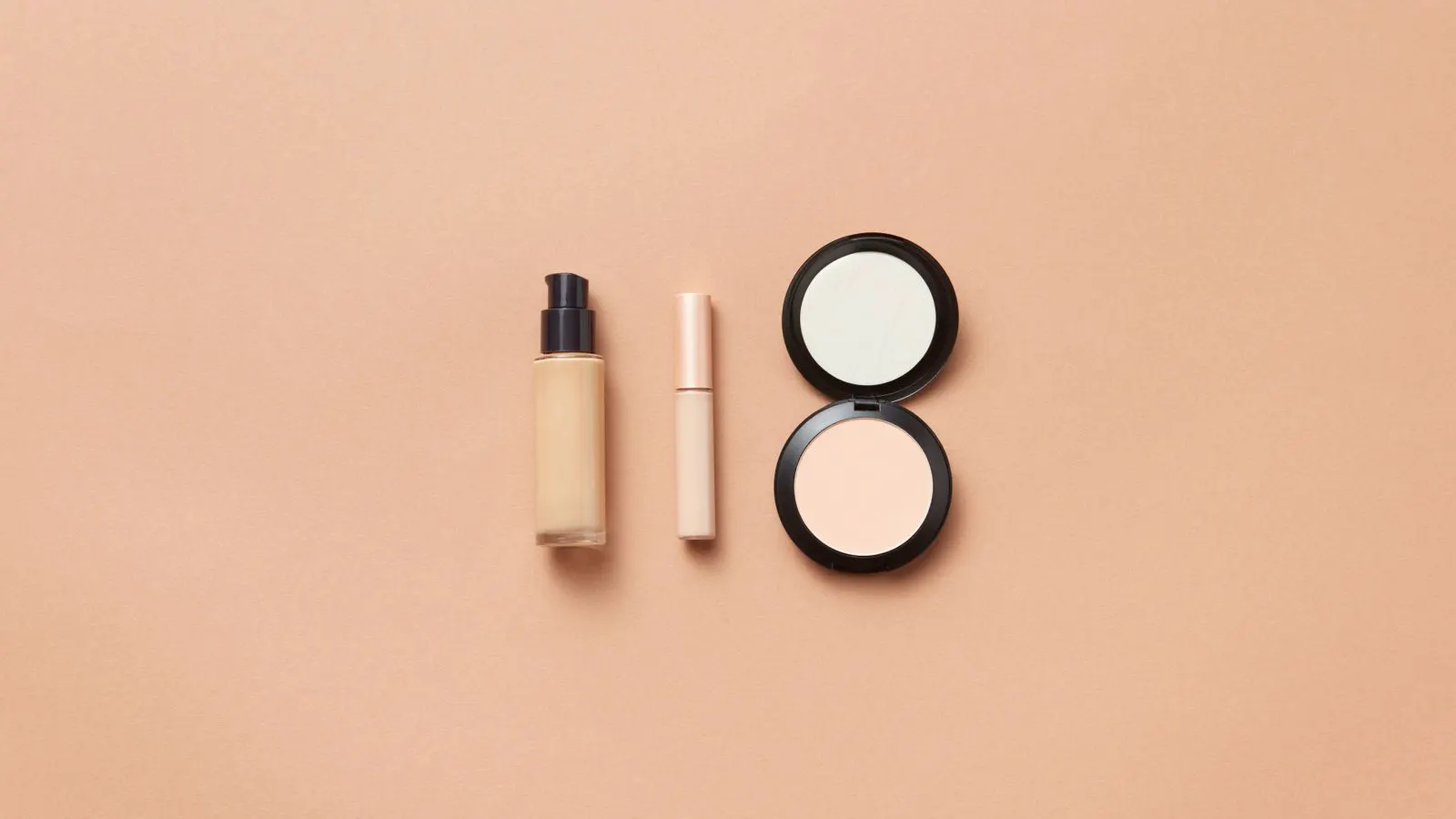
Cost & MOQ
OEM vs ODM: Impact on Cosmetic Unit Costs and MOQs
Choosing OEM or ODM changes your cosmetic MOQ and unit costs differently. OEM lowers per-unit cost at high volumes but demands higher initial minimums. ODM reduces
Nov 18, 2026 · 9 min read
Makeup & Color Cosmetics
Outlook: Impact of Mineral Pigments on Foundation Cost
Changes in mineral pigments drive foundation manufacturing cost by altering raw material sourcing, processing requirements, and regulatory compliance. Buyers should plan
Nov 17, 2026 · 6 min read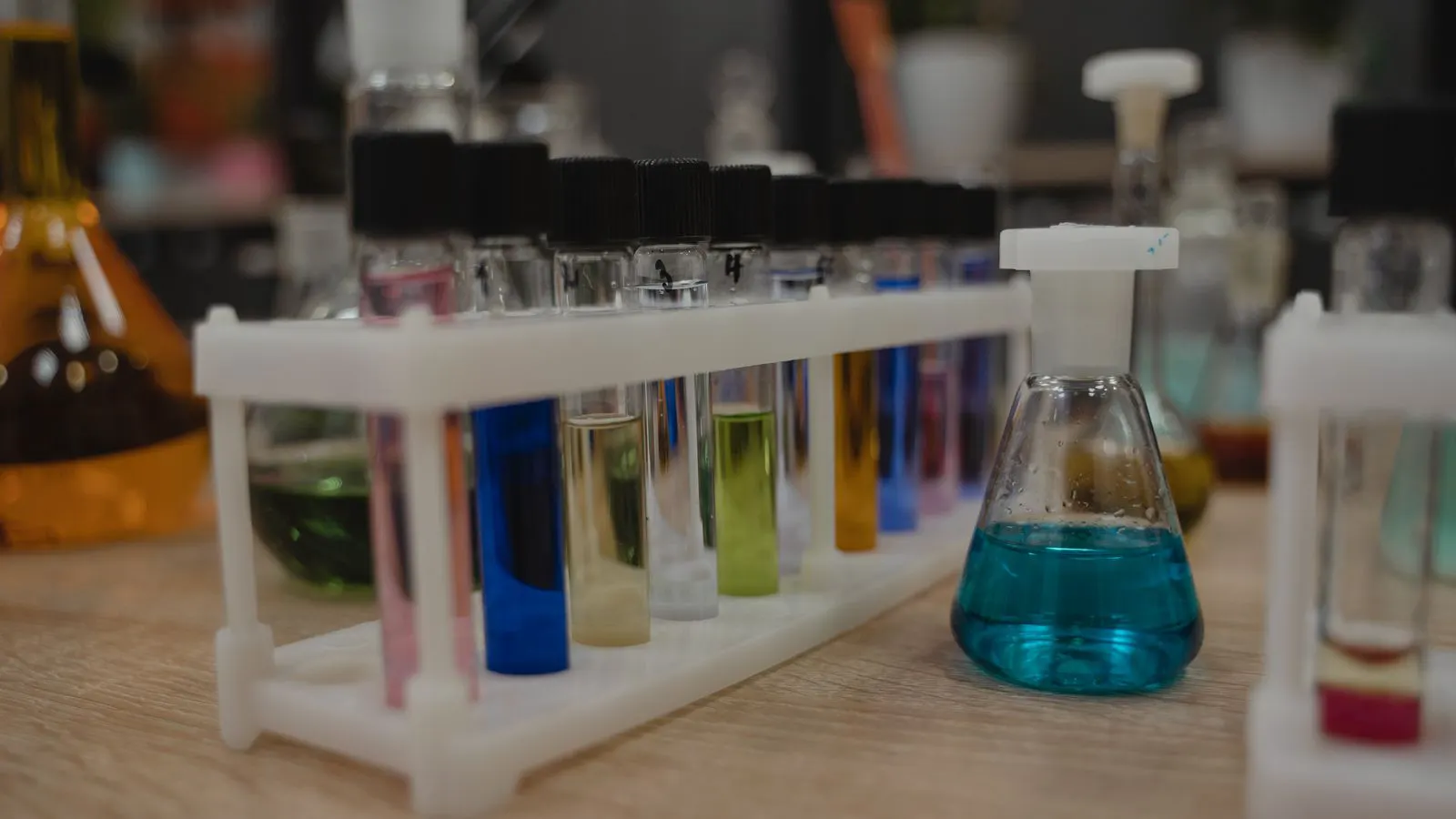
Formulation & Ingredients
How to Validate Preservative Systems for Skin Care
Validating preservative systems for skin care requires selecting active ingredients based on pH, water activity, and storage conditions. The process involves challenge
Nov 16, 2026 · 7 min read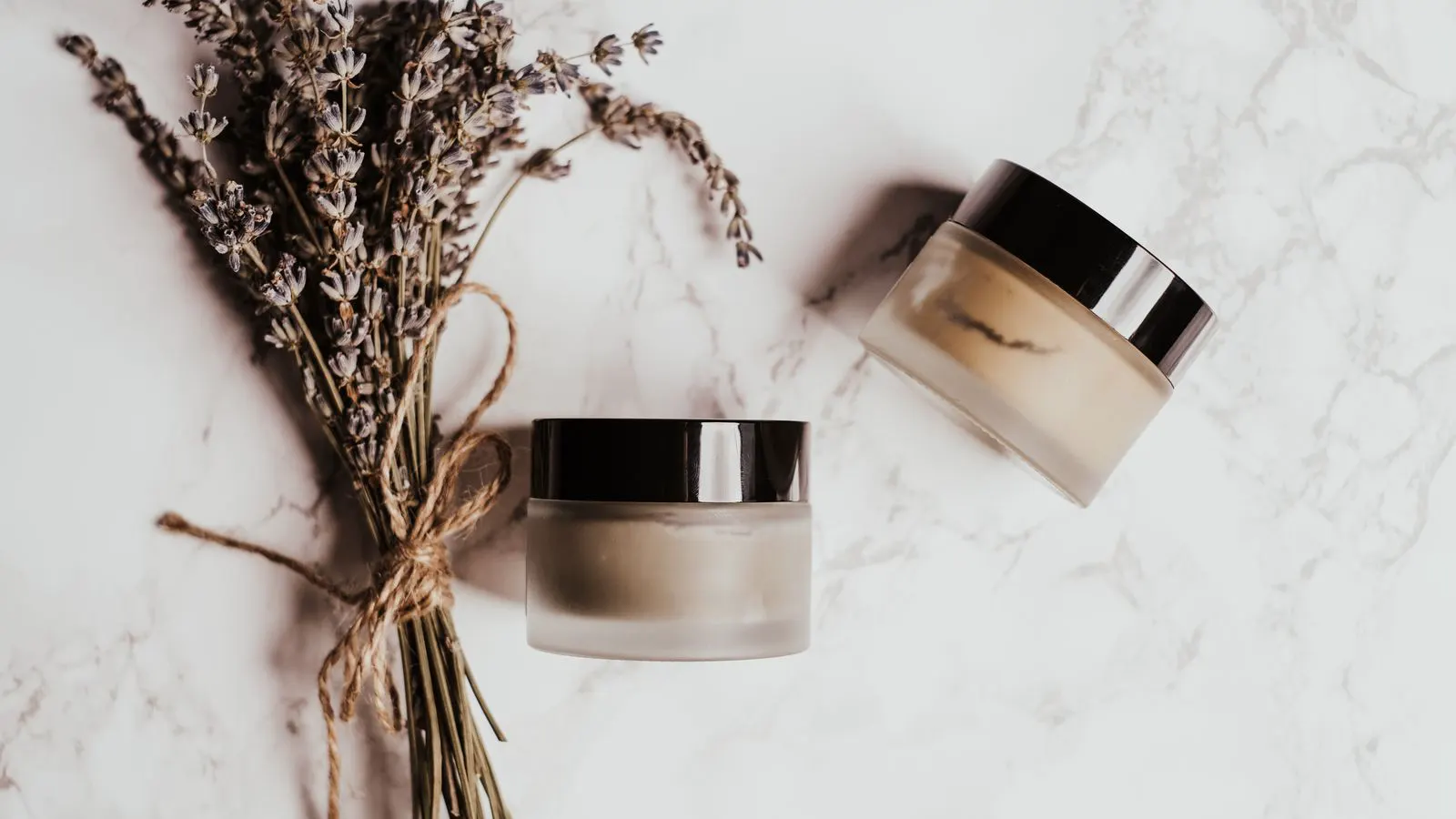
Packaging & Labeling
Outlook: Shift in Cosmetics to Secondary Packaging
Secondary packaging now drives brand perception and shelf presence. This outlook covers six shifts buyers should plan for, including material substitution, structural
Nov 15, 2026 · 6 min read
Choosing a Manufacturer
How to Validate Formula Stability in New Packaging
Validate formula stability testing in the final packaging format early and often. Use accelerated and real-time testing, inspect compatibility with containers, and
Nov 14, 2026 · 6 min read