Buyer’s Guide: Selecting a Lipstick Production Facility
To select a reliable lipstick supplier, evaluate facility capabilities, pigment handling, QC protocols, and regulatory compliance. This guide outlines practical criteria for buyers and engineers.
- Evaluate pigment storage and mixing protocols to ensure consistent shade and product stability.
- Request detailed QC documentation, including microbe limits and heavy metal testing, before committing to volume.
- Confirm the facility's ability to handle your specific regulatory requirements for target markets.
- Verify the supplier's financial and operational stability through site visits and reference checks.
- Define clear KPIs for delivery, defect rates, and communication in the initial contract.
Why Lipstick Production Demands Specialized Evaluation
Lipstick formulation is a dense system of waxes, oils, pigments, and emollients that must behave differently from the moment it leaves the factory to the moment it contacts the user. The product sits in a metal or plastic tube, often under heat and humidity, and then must glide across mucous membranes without dragging, cracking, or fading. A standard cosmetic plant that specializes in creams or lotions may not handle these specific material interactions correctly. The base compound must remain fluid enough to fill the tube but rigid enough to hold its shape after cooling. The pigments must disperse fully to avoid visible specks. The final product must survive transport and shelf storage without separating or drying out.
Many buyers evaluate suppliers based on the appearance of a sample. A small batch can look perfect, but that sample may have been made with extra attention that will not exist during a production run. A facility must manage several distinct process steps to ensure consistency. These include pigment dispersion, base compound preparation, and tube filling. Each step introduces potential variability. If the supplier cannot isolate and control these variables, the risk of batch-to-batch inconsistency increases.
The evaluation process must extend beyond the factory floor. It must cover raw material supply chains, quality assurance systems, and regulatory infrastructure. A facility that produces excellent samples in small runs may struggle when scaling to commercial volumes. Conversely, a large plant with weak QC may produce consistent but low-quality products. The goal is to find a supplier whose infrastructure matches the specific demands of your lipstick line.
Key Facility Capabilities to Assess
When reviewing a potential supplier, start with their production layout. Look for dedicated areas for base compound preparation and pigment mixing. These processes should be physically separated to prevent cross-contamination. Shared equipment between different product lines increases the risk of shade variation and foreign matter inclusion. A facility that cleans equipment between different pigment colors may still retain trace residues. This can shift the final hue, especially in light shades or transparent lip colors.
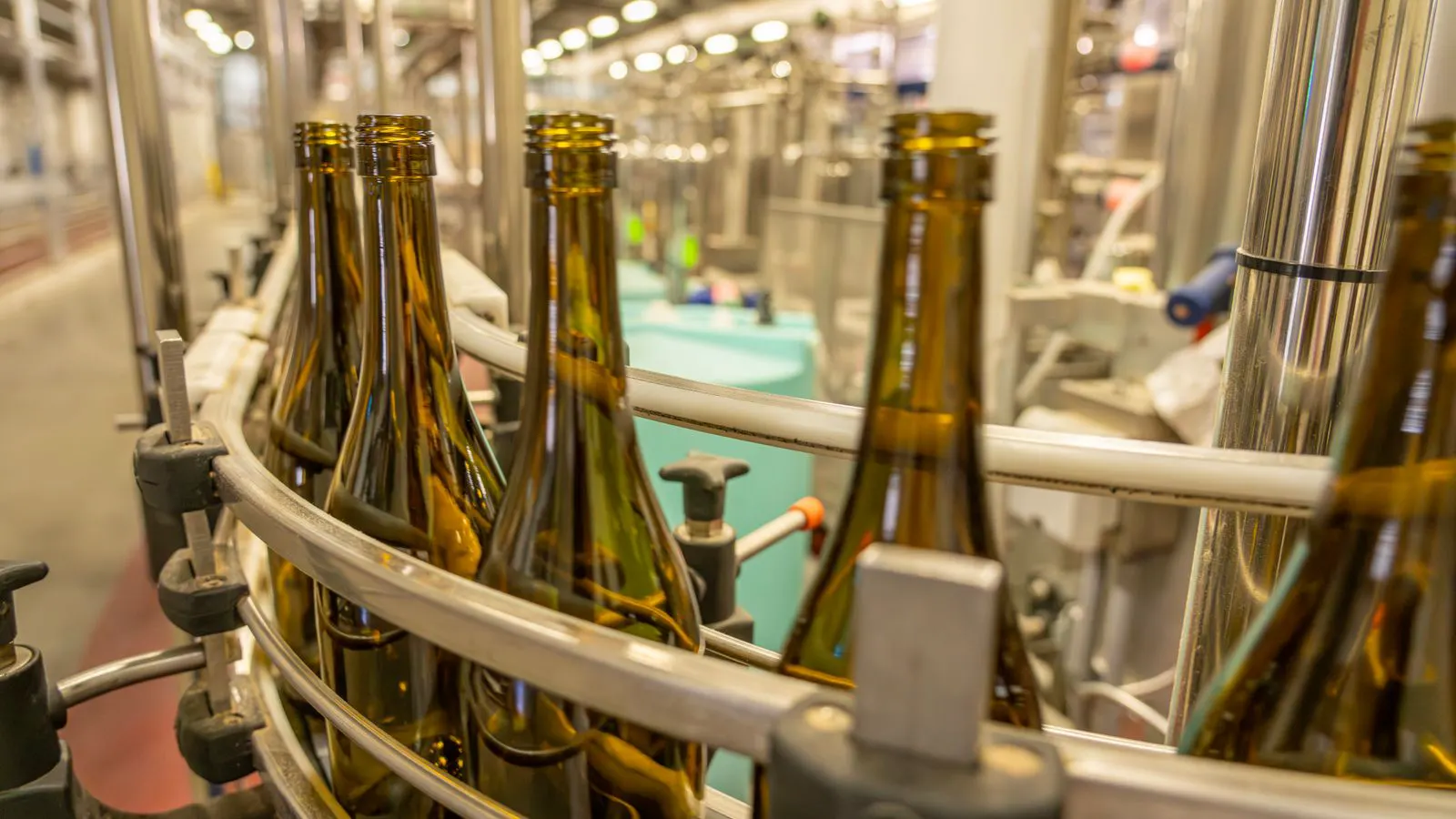
The filling line is another critical area. Lipstick filling requires precise temperature control and consistent pressure application. The facility should use automated filling machines capable of handling both standard and specialty tube designs. Manual filling is sometimes used for small batches, but it introduces higher variability in product weight and appearance. If the machine does not control the amount of material dispensed into each tube, some units will be lighter or heavier than the label claims. This creates waste and quality issues.
Temperature management across the facility is a common point of failure. Base compounds are often heated to melt the waxes and oils. If the cooling phase is not controlled, the final product may show a rough surface or inconsistent texture. Ask the supplier how they monitor and log temperatures during the filling process. Look for data loggers that record temperature changes in real time. If the cooling rate is too fast, the wax structure may not form properly, leading to a crumbly texture. If it is too slow, the product may remain soft and prone to smearing.
Pigment Handling and Color Stability
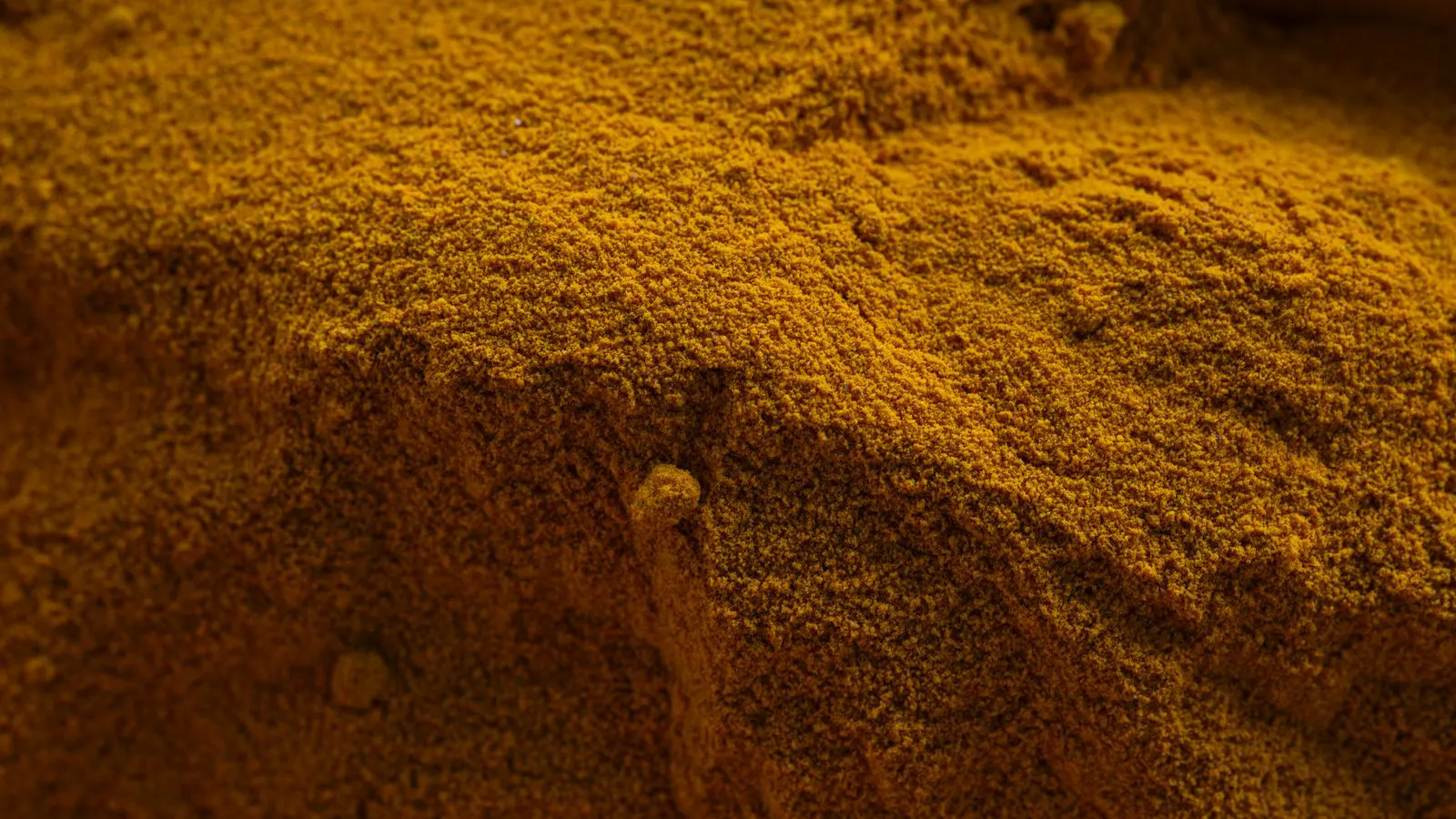
Color stability is the defining feature of any color cosmetic. In lipstick, this means the shade must remain true after application and over time. The facility’s pigment handling practices directly impact this outcome. Look for suppliers who store pigments in controlled environments. Humidity and temperature fluctuations can cause agglomeration, leading to uneven dispersion. Pigments that clump together will not mix smoothly into the base. This results in streaking or patchy color when the product is applied.
The dispersion method is equally important. Some facilities use high-shear mixers, while others rely on ball mills or other mechanical dispersers. Each method has trade-offs in terms of particle size, energy consumption, and throughput. The chosen method should be appropriate for the specific pigment types used. High-shear mixers are fast but may not break up dense pigment particles effectively. Ball mills take longer but can achieve finer particle sizes. For fine-milled pigments, a slower process often yields a smoother application.
Request samples of products made with your exact pigment specifications. Do not rely on the supplier’s standard color chart. Your specific shade requirements may involve pigments that behave differently in their base compound. A trial batch will reveal issues in dispersion, shade matching, or stability that are not apparent in standard offerings. Bring your own pigment samples to the facility if possible. This ensures that the supplier is working with the exact material you will use in production.
Quality Control and Testing Protocols
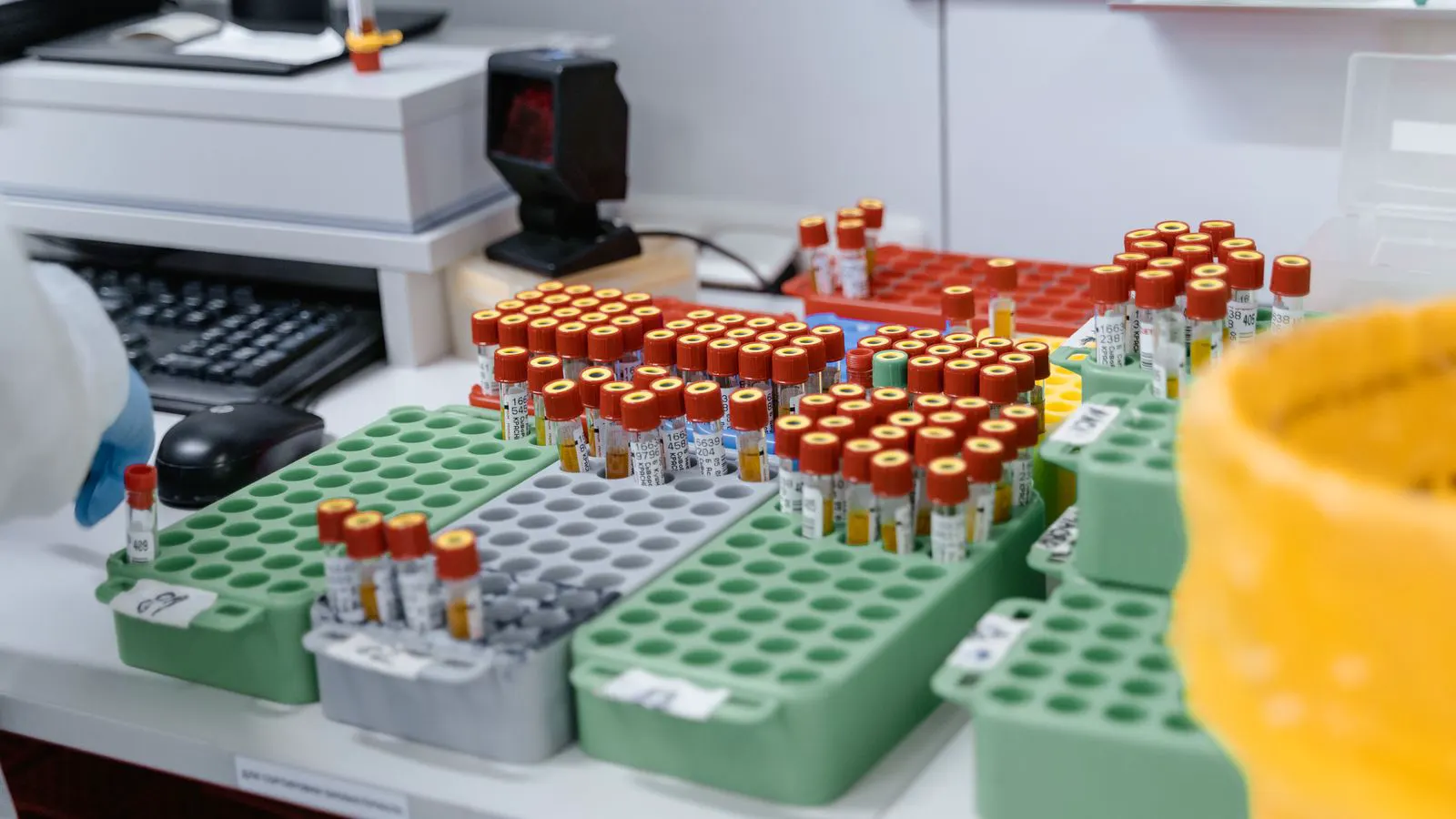
A reliable quality control program is non-negotiable for commercial lipstick production. The supplier should have a documented QC plan covering raw materials, in-process checks, and final product release. This plan should include specific tests for microbe limits, heavy metals, and pH. These tests protect both the consumer and the brand from liability.
Ask for the scope of their QC testing. Do they test every batch, or only a sample? What are their acceptance criteria? For example, what is the maximum allowable microbe count? What heavy metals are tested, and what are the limits? These details should be documented in a Quality Agreement. A vague promise to “test for safety” is not enough. You need specific numbers and methods.
The facility should also have a system for handling out-of-specification results. If a batch fails a test, what is the process? Is the batch quarantined? Are you notified immediately? A transparent and responsive QC team is a strong indicator of a mature operation. Ask them to walk you through a recent OOS investigation. Listen to how they described the root cause. A good team will identify the specific step where the failure occurred, such as a contaminated mixer or a faulty temperature sensor.
Regulatory Compliance and Market Readiness
Lipstick is subject to strict regulatory requirements in most markets. The facility must be able to support your specific compliance needs. This includes ingredient safety assessments, label review, and documentation for customs clearance. The complexity of these requirements varies by region.
Ask the supplier about their experience with your target markets. If you are selling in the EU, the US, or Asia, the regulatory frameworks differ. A facility that is compliant in one region may not meet the requirements of another. They should be able to provide documentation for your specific ingredient list. For example, some markets require proof of purity for certain waxes. Others require specific notifications for new cosmetic ingredients.
Labeling is another area where regulatory compliance is critical. The facility must ensure that all required information is present and correctly formatted. This includes ingredient lists, net weight, batch codes, and country of origin. Errors in labeling can lead to product recalls and significant financial loss. Check if the facility has a separate team for label proofing. Many plants have printing errors that slip through to the final product. A good supplier will have a second set of eyes on every label before printing.
Operational and Commercial Considerations
Beyond technical capabilities, the supplier’s operational and commercial practices matter. Look for a facility that has a stable workforce and clear management structures. High staff turnover can impact consistency and quality. A new operator on the filling line may not understand the subtle signs of a machine running out of alignment.
Delivery reliability is a key performance indicator. Ask about their production lead times and their contingency plans for delays. A supplier with a strong reputation for on-time delivery will save you time and money. Ask how they handle raw material shortages. If a key wax supplier fails to deliver, does the facility have a backup source? They should be able to tell you how they source critical components.
Financial stability is also important. A financially unstable supplier may cut corners on quality or fail to meet volume demands. Conduct basic due diligence on the supplier’s financial health before entering a long-term contract. Check how long the facility has been operating. A plant that has been in business for a short time may not have the cash flow to absorb unexpected costs.
Decision Checklist for Selecting a Lipstick Supplier
Before finalizing your supplier selection, complete a structured evaluation. This checklist ensures that all critical factors are considered.
- Facility Audit: Has a site visit been conducted? Are the production areas clean and well-organized?
- Pigment Handling: Are pigments stored and handled in controlled conditions?
- QC Documentation: Have you reviewed their Quality Agreement and QC protocols?
- Regulatory Support: Can they meet the compliance requirements for your target markets?
- Commercial Terms: Are delivery times, payment terms, and minimum order quantities acceptable?
- References: Have you spoken with current customers about their experience?
Use this checklist to compare multiple suppliers. Assign weights to each criterion based on your specific priorities. This helps in making an objective decision. For example, if you are launching a high-end brand, QC documentation may carry more weight than price. If you are launching a volume brand, delivery reliability may be the top priority.
Common Mistakes to Avoid
Buyers often make several common mistakes when selecting a lipstick production facility. One is focusing too heavily on price. A lower price may indicate lower quality or hidden costs. Another is skipping the site visit. Remote evaluations often miss critical issues. A factory may have a clean showroom but a dirty production floor.
Failing to define clear specifications is another error. Vague requirements lead to misunderstandings and product rework. The supplier needs clear instructions on shade, texture, and packaging. If you say “smooth texture,” the supplier may not know if you mean silky, creamy, or matte. Use specific terms. If you have reference products, provide them.
Ignoring the trial phase is a significant risk. Do not commit to volume production without a successful trial batch. The trial is your opportunity to identify and resolve issues before scaling. A trial batch should test the exact formula you intend to use in production. Do not use a substitute formula.
Finally, underestimating the importance of communication is a common mistake. A good supplier should be responsive and proactive in reporting. If communication is poor, it will become a major issue during production. Test their communication channels during the evaluation phase. Send them questions about their process and see how quickly and accurately they respond.
Final Thoughts on Partner Selection
Selecting a lipstick production facility is a strategic decision. It requires a thorough evaluation of technical, quality, and commercial factors. The supplier must be able to meet your specific product requirements and support your business goals.
By focusing on the criteria outlined in this guide, you can make a well-informed decision. Do not rush the process. Take the time to evaluate each potential supplier carefully. A reliable partner will help you bring a high-quality product to market and build a long-term relationship.
Frequently asked questions
How many trial batches should I request before volume production?
Typically, one or two trial batches are sufficient. The first batch is for formulation and shade matching. The second batch is for process validation and QC checks.
What is the minimum order quantity for a standard lipstick supplier?
Minimum order quantities vary by supplier and product type. Some facilities require a minimum of 1,000 units, while others may accept smaller quantities for custom formulations.
Can a supplier produce lipstick with a custom tube design?
Yes, many suppliers can accommodate custom tube designs. However, this may require additional tooling costs and longer lead times.
How do I verify the purity of the pigments used?
Request certificates of analysis from the pigment supplier. The facility should provide documentation that confirms the purity and safety of the raw materials.
What is the typical lead time for lipstick production?
Lead times depend on the complexity of the product and the supplier's production schedule. Standard formulations may take 4 to 8 weeks. Custom designs may take longer.