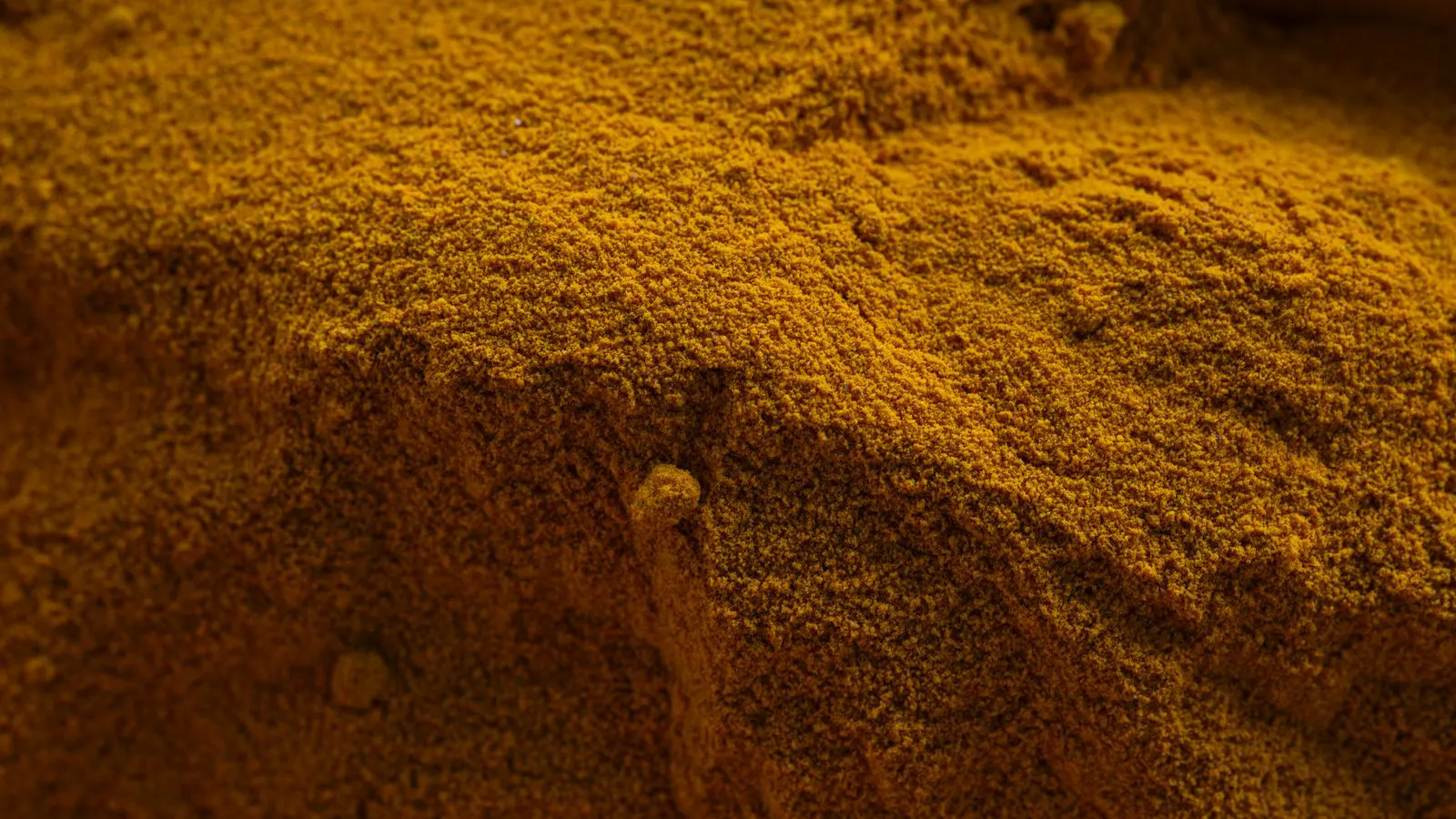
Checklist: Verifying Pigment Purity for Color Cosmetics
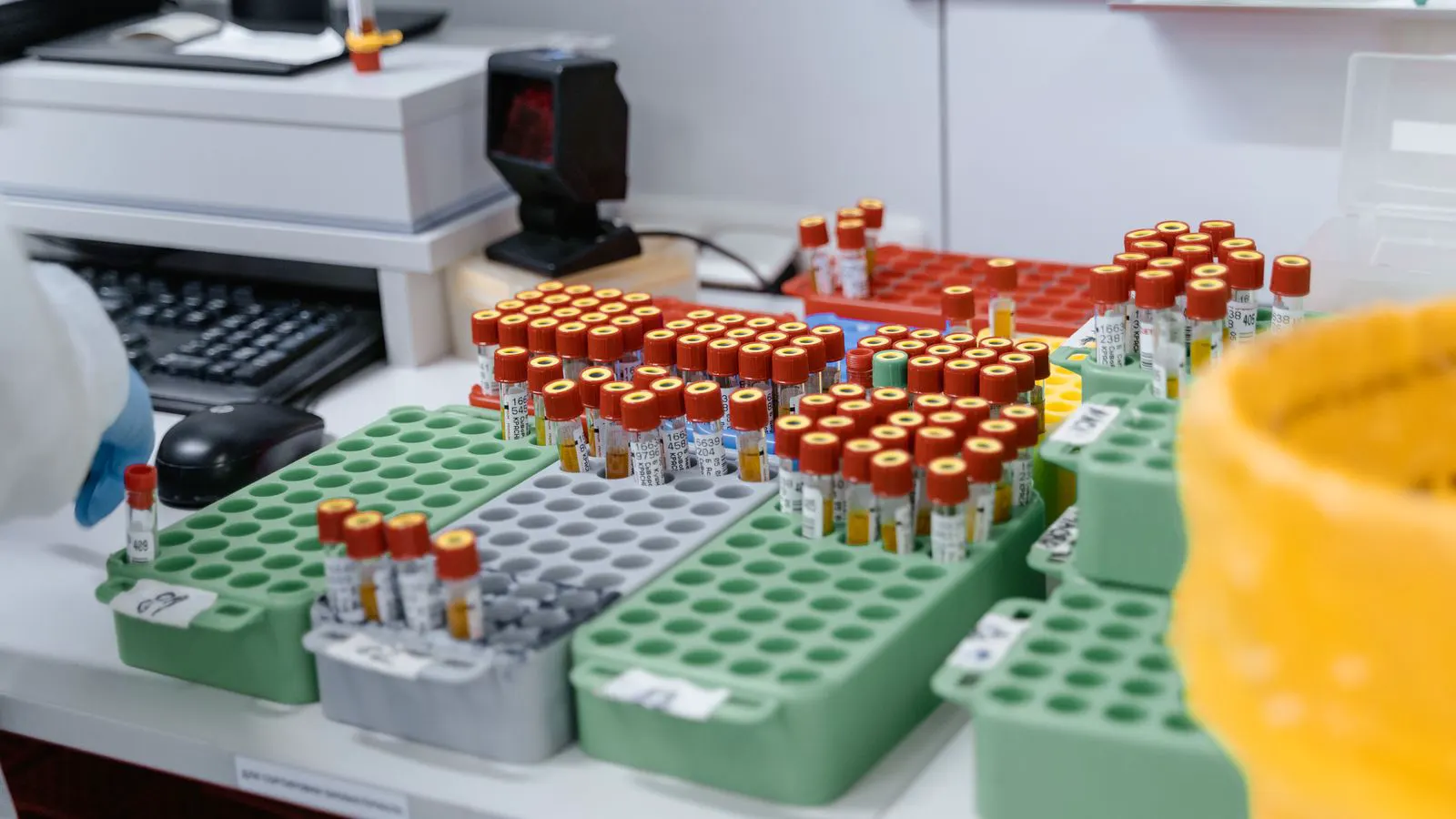
This checklist guides procurement managers through verifying pigment purity for color cosmetics. It covers raw material documentation, heavy metal testing, shade consistency checks, and supplier audit points to prevent compliance failures during scale-up.
- Request a Certificate of Analysis for each pigment lot and verify heavy metal limits against your target market regulations.
- Check for shade consistency across multiple batches using spectrophotometer data, not just visual inspection.
- Confirm the supplier can provide traceability from raw material source to finished pigment lot.
- Red flags include missing documentation, inconsistent particle size data, or supplier refusal to share test protocols.
- Maintain a sample archive of approved pigment lots to compare against incoming shipments before acceptance.
Document Verification
Before opening a shipment, check the paperwork. Every pigment lot should arrive with a Certificate of Analysis. The document lists the pigment name, batch number, date of manufacture, and test results. If the CoA is missing or incomplete, hold the shipment. Do not release material to the production line without it.
The CoA should include chemical composition, impurity levels, and heavy metal testing. Verify that the heavy metal data covers lead, cadmium, arsenic, and mercury. These elements are common concerns in makeup OEM procurement because many regulatory markets set strict limits. If the CoA only shows “compliant” without numerical values, ask the supplier for the raw data. You need the actual numbers to cross-reference against your internal acceptance criteria.
Particle size distribution is another document to review. For color cosmetics, the particle size affects how the pigment disperses in the formulation and how the final product applies. Ask for the D50 and D90 values. These numbers tell you the median particle size and the size below which 90 percent of particles fall. If the particle size data is vague or missing, the pigment may not behave predictably in your formula.
Shade specification sheets should accompany the CoA. These documents define the target hue, chroma, and value for the pigment. Compare the incoming pigment against the reference standard. If the supplier does not provide a reference standard, create one from an approved lot and store it in your quality lab.
Heavy Metal and Impurity Testing
Visual inspection cannot detect heavy metals. A pigment lot can look clean and still fail compliance testing. Before scale-up, send a sample to a third-party laboratory for independent testing. This step protects you from supplier error or mislabeling.
Test for lead, cadmium, arsenic, and mercury. Some jurisdictions also require testing for other elements depending on the product category. Confirm which elements your target markets require. If you are preparing for a specific region, align your testing panel with that market’s regulatory expectations.
The testing method matters. Ask the supplier which method they used for their internal testing. Common approaches involve atomic absorption or inductively coupled plasma mass spectrometry. If the supplier cannot identify the method, treat the data with caution.
Impurity profiles go beyond heavy metals. Check for inorganic contaminants, organic residues, and foreign matter. Some pigments are processed in facilities that handle multiple chemical families. Cross-contamination is possible if facility controls are weak. Ask the supplier to describe their production environment and cleaning protocols.
Shade Consistency
Color consistency is the most visible quality factor in color cosmetics. A pigment that shifts slightly in hue or intensity can ruin a finished product. A lip color that reads too warm, a foundation that does not match the intended shade, or a mascara that lacks depth all trace back to raw material variability.
Use a spectrophotometer to measure incoming pigment lots. Measure hue, chroma, and value. Compare the results against your reference standard. Set acceptance thresholds for each parameter. For example, if your reference hue is 30, define acceptable range as 29 to 31. Adjust these thresholds based on your product type. Lip products tolerate less variation than powders because the application surface is small and the color appears concentrated.
Keep a sample archive. Store sealed samples of every approved pigment lot in a controlled environment. Before accepting a new shipment, compare the incoming material against the archived reference. This step catches drift that may not be obvious from the CoA alone.
Watch for batch-to-batch variation. Some pigments are produced in large batches that take weeks to finish. The early portion of the batch may differ from the late portion. If the supplier produces a long campaign, ask for sub-lot testing.
Supplier Audit and Traceability
A supplier audit gives you visibility into how the pigment is made. Not every audit requires a full on-site visit. A document review can cover much of the ground. Request the supplier’s quality management documentation. Look for records of raw material sourcing, production parameters, in-process controls, and final testing.
Traceability is the key capability. The supplier should be able to trace a finished pigment lot back to the specific raw material lots used. If they cannot, you have a gap. In a recall scenario, you need to identify exactly which batches are affected. Weak traceability turns a small issue into a large one.
Check the supplier’s corrective action process. Ask what happens when a test result fails. Do they hold the lot? Do they notify customers? Do they identify the root cause? A supplier with a clear process is lower risk than one that simply retests and ships.
If you are working with a makeup OEM or ODM partner, confirm that they pass their pigment specifications through to your procurement team. The OEM should not interpret “good enough” on its own. Define acceptance criteria in writing and share them with the supplier.
Formulation Compatibility
Pigment purity affects formulation performance. Impure pigments can carry residual solvents, fine dust, or chemical byproducts that interfere with the base. These contaminants can cause separation, affect pH, or change the stability of emulsions.
Run a small-scale formulation test with the incoming pigment. Prepare a standard batch of your target formula. Check for dispersion, stability, and appearance. If the pigment does not disperse evenly, the particle size or surface treatment may be off. If the formula separates after storage, the pigment may be introducing incompatibility.
For powder color cosmetics, check the pigment’s behavior during the grinding and blending process. Poorly purified pigments can generate excessive fine dust during milling. This dust can affect operator safety and create variability in the final product weight and texture.
For liquid color cosmetics, check how the pigment interacts with the solvent or oil phase. Some pigments require specific surface treatments to remain suspended. If the supplier changes the surface treatment without notice, the pigment may behave differently in your formula.
Red Flags and Hold Criteria
Use the table below as a quick reference when reviewing incoming pigment lots. If any red flag appears, hold the material and escalate to the supplier.
| Check | What to Look For | Red Flag |
|---|---|---|
| CoA completeness | Batch number, date, heavy metal data, particle size | Missing data or “compliant” without values |
| Heavy metals | Lead, cadmium, arsenic, mercury within limits | Results near or above your acceptance threshold |
| Shade | Hue, chroma, value match reference | Shift beyond defined acceptance range |
| Particle size | D50 and D90 consistent with spec | Vague data or sudden change in distribution |
| Traceability | Raw material lot linkage | Supplier cannot identify source lots |
| Formulation test | Stable dispersion, no separation | Separation or color shift after storage |
Do not release a shipment if the CoA is missing or incomplete. Do not accept a pigment that fails heavy metal testing. Do not proceed to scale-up if the shade has drifted beyond your defined thresholds. These are non-negotiable hold criteria.
If a red flag appears, document it. Record the lot number, the specific issue, and the date. Send the documentation to the supplier and request a corrective action plan. Keep the material segregated until the issue is resolved.
Final Acceptance
After all checks pass, record the acceptance decision. Note the lot number, the test results, and the approver. Store the acceptance record with the CoA and formulation test data. This documentation supports your quality records and protects you in case of a customer complaint or regulatory inquiry.
Store a sealed sample of the accepted lot in your quality lab. This sample becomes your reference for future comparisons. If the supplier sends a replacement lot, compare it against this sample before release.
Maintain a pigment approval list. Track which pigments have passed your verification process and which have failed. This list helps your procurement team make faster decisions when sourcing new colorants.
Frequently asked questions
How do I verify pigment purity without sending samples to a third-party lab?
You can rely on the supplier's CoA and perform in-house checks for shade, particle size, and formulation compatibility. However, heavy metal testing requires specialized equipment, so a third-party lab is the standard for compliance confirmation.
What if the supplier's CoA shows "compliant" without numerical values?
Request the raw test data. If the supplier cannot provide specific values for heavy metals and other impurities, treat the lot as unverified and hold it until you receive complete documentation.
How often should I retest an approved pigment lot?
Retest every incoming lot for shade and formulation compatibility. Heavy metal testing can be done per lot or on a periodic basis depending on your risk assessment and supplier audit results.
Can I use visual inspection to confirm pigment purity?
No. Visual inspection catches gross defects like clumping or discoloration, but it cannot detect heavy metals, trace impurities, or fine particle variability. Instrumental testing is required for purity verification.
What is the minimum documentation I need from a pigment supplier?
A Certificate of Analysis with batch number, heavy metal results, particle size data, and shade specification. Traceability records linking the pigment lot to its raw materials are also required for compliance.