Packaging & Labeling
Outlook: Shift in Cosmetics to Secondary Packaging
Secondary packaging now drives brand perception and shelf presence. This outlook covers six shifts buyers should plan for, including material substitution, structural
Discover packaging options, material choices, and labeling requirements to ensure your cosmetic products meet market and regulatory needs.
Secondary packaging now drives brand perception and shelf presence. This outlook covers six shifts buyers should plan for, including material substitution, structural
Air ingestion in cosmetic pumps usually stems from worn seals, loose assembly, or fluid viscosity mismatches. This guide lists symptoms, mechanical causes, and
Identify packaging defects like leaks or poor seals by matching symptoms to causes. This guide lists common issues, likely production errors, and specific QC actions to
Sustainable packaging is moving beyond recycled plastic to include refillable systems, mono-materials, and bio-based components. Buyers should prepare by updating
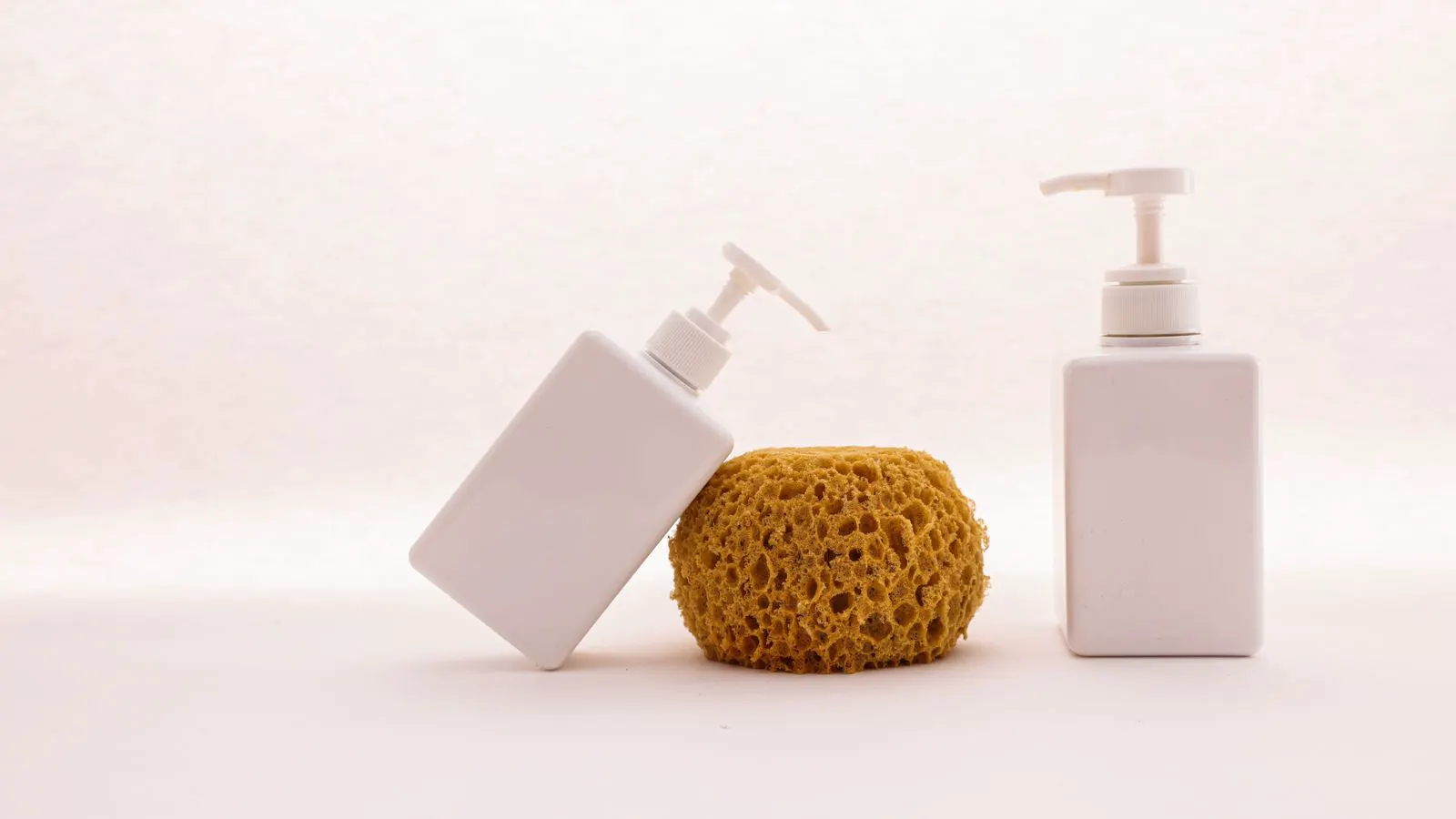
Custom cosmetic packaging requires matching bottle geometry, material, and pump mechanism to product viscosity and brand positioning. Buyers must verify supplier
Cosmetic packaging costs depend on material selection, tooling requirements, and order volume. Production lead time is driven by design approval, sample creation, and

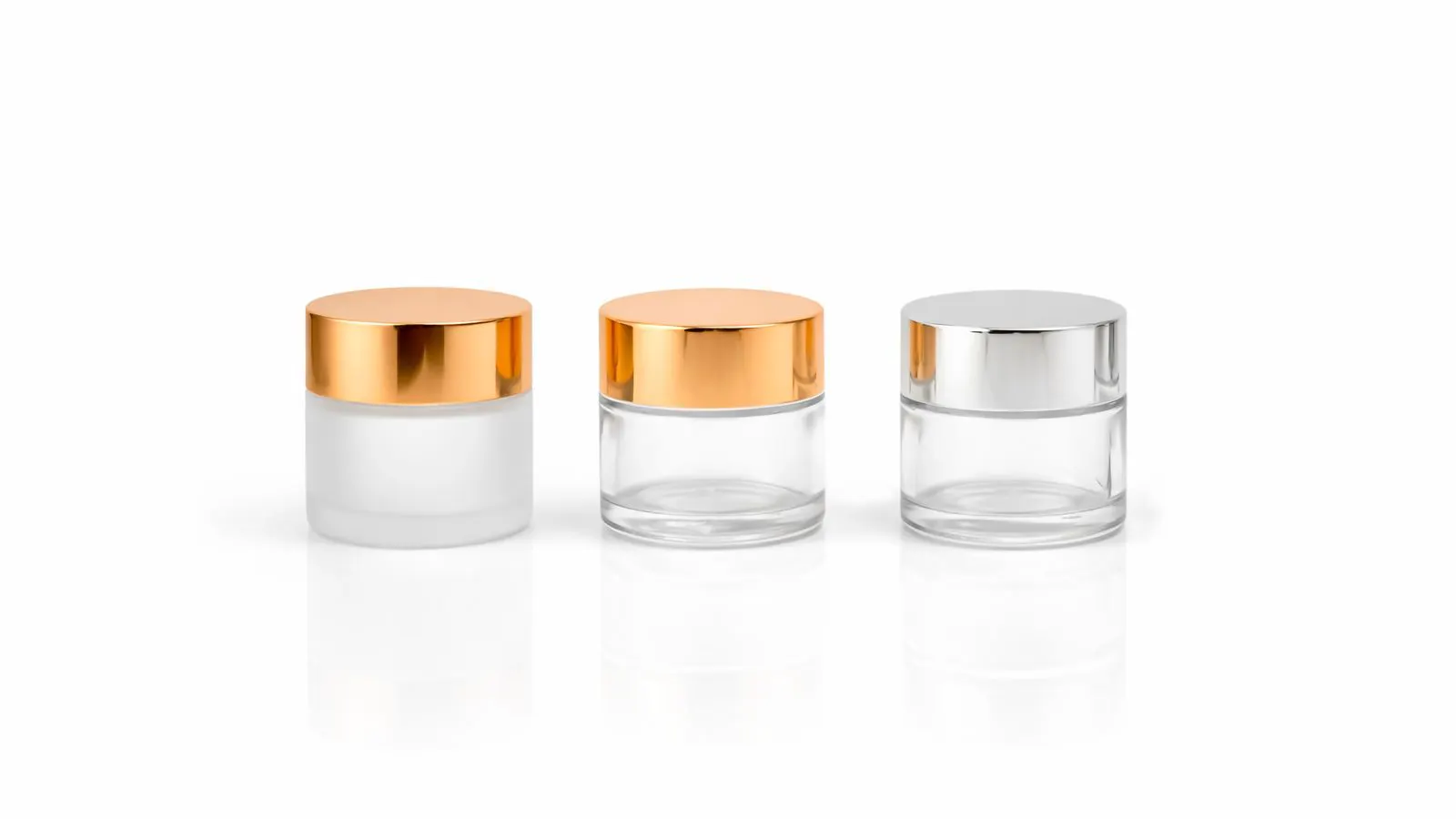
Selecting between glass and plastic cosmetic jars depends on product weight, shelf life, and target price. Glass offers durability and a premium feel but adds cost and
This guide lists the technical, material, and compliance points buyers must verify in packaging design. It covers structural integrity, material selection, fill ratios

To achieve compliant labeling, identify all target markets, define mandatory ingredient and legal disclosures, select correct font sizes, and verify with third-party
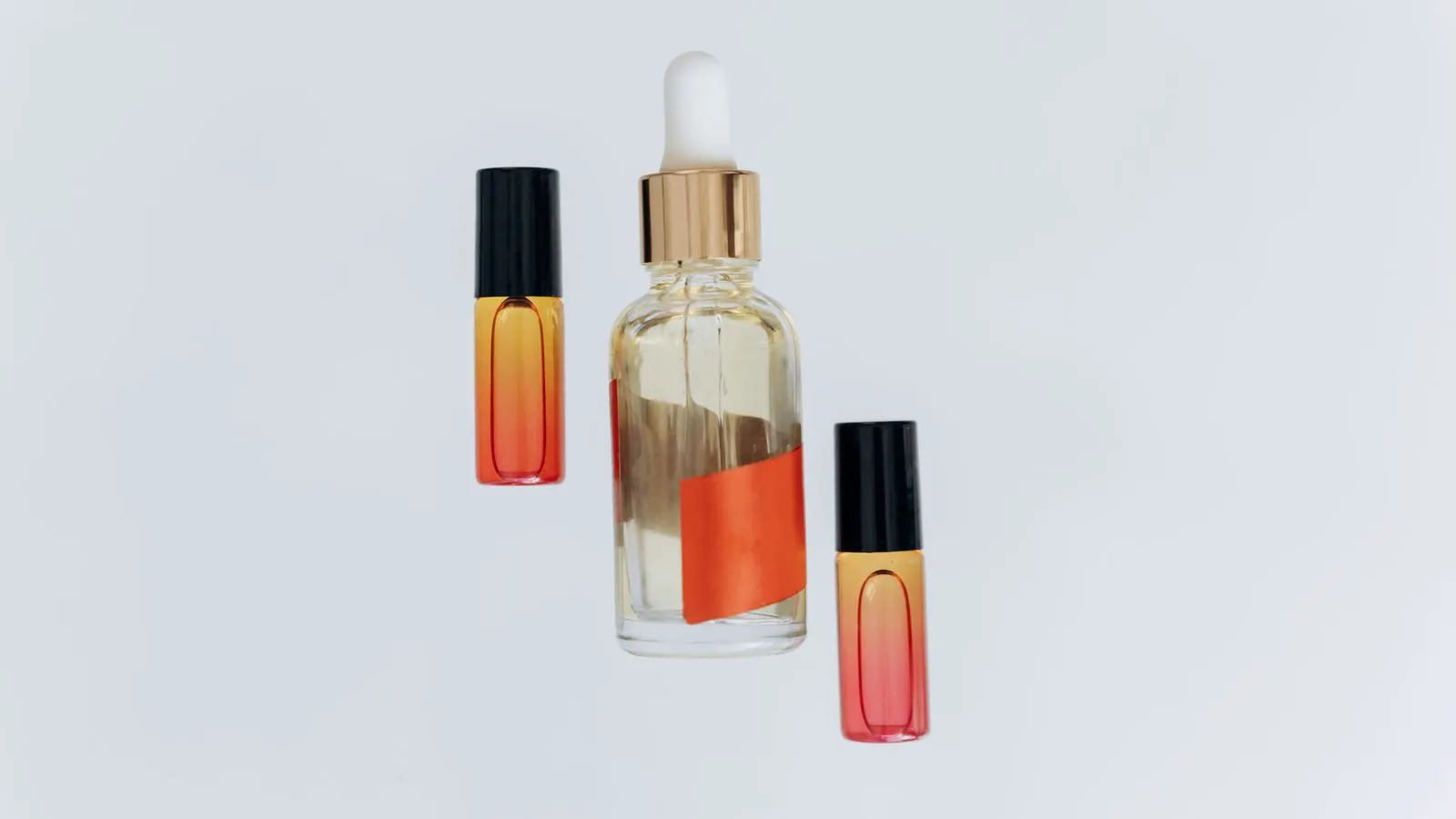
Cosmetic packaging choices depend on function, safety, and cost. Glass offers stability and luxury. Plastic provides weight and flexibility. Metal delivers durability