Comparison of Glass vs. Plastic Cosmetic Jars
Selecting between glass and plastic cosmetic jars depends on product weight, shelf life, and target price. Glass offers durability and a premium feel but adds cost and shipping weight. Plastic is lighter and flexible for complex shapes. Evaluate each option against your specific formulation and packaging requirements.
- Glass jars resist chemical interaction and maintain product integrity over long periods.
- Plastic jars reduce shipping costs and allow complex mold shapes.
- Weight and shelf life are the main drivers for final bottle and jar selection.
- Check regulatory limits for plasticizers and migration before ordering samples.
The final decision on jar material affects product stability, shipping costs, and brand perception. Many OEM buyers treat glass and plastic as interchangeable, but the two materials behave differently in storage, handling, and retail display. This guide compares the practical trade-offs so you can match the container to the formulation.
Which material keeps the product stable
Glass is chemically inert. It does not react with essential oils, high-pH cleansers, or active ingredients that sit in storage. This makes it a safe default for serums, thick creams, and preservative-sensitive formulas. The material does not absorb fragrance molecules, so the scent profile stays consistent.
Plastic jars are made from various resins. Common choices include HDPE, PP, and PET. Each resin interacts differently with ingredients. HDPE is generally stable for lotions and balms. PET is more rigid but can show slight interaction with certain oils over time. PP tolerates heat and cold better than PET.
The main risk with plastic is migration. A small amount of additive or monomer can move into the product if the resin is not matched to the formula. This is a compliance issue as much as a performance one. Buyers should request migration test data or material safety information from the manufacturer.
For products with long shelf life, glass removes the variable of container interaction. For shorter shelf life items, well-selected plastic works fine and saves cost.
How weight and shipping affect the final cost
A glass jar is heavier than a plastic jar of the same size. This weight adds to freight charges and increases the physical burden on warehouse staff. For a 100 ml jar, the difference is noticeable. For a 500 ml jar, the difference can be substantial.
Plastic jars are lighter. This lowers shipping costs and makes retail display easier. Retailers often prefer lighter packaging because it reduces handling damage and storage issues.
The cost savings on plastic are real but not always large. A plastic jar may cost less upfront, but the difference is often a few dollars per unit. If shipping is a major part of your total cost, the plastic weight advantage can offset the material price gap.
Consider the total logistics cost, not just the jar price. A heavier jar increases pallet weight, truck loading time, and warehouse labor. These hidden costs matter when comparing bottle and jar selection options.
What the table shows
| Option | Best for | Limitations |
|---|---|---|
| Glass jars | Premium positioning, long shelf life, active ingredient stability | Heavy, fragile, higher freight cost, limited shape complexity |
| Plastic jars | Cost efficiency, lightweight shipping, complex shapes, high-volume retail | Potential migration, less premium feel, can absorb odors |
| HDPE plastic | Lotions, balms, pump bottles | Heavier than PP, less rigid than PET |
| PP plastic | High-temperature products, lids, caps | Lower stiffness, can be soft for thin walls |
| PET plastic | Rigid, clear or tinted jars, short shelf life | May not suit all oils, can feel less durable |
The table above summarizes the core trade-offs. Glass is the choice when stability and premium perception dominate. Plastic is the choice when cost, weight, and shape flexibility matter. The specific resin type within plastic changes the balance.
When to pick glass
Pick glass when the formulation is sensitive. Think of products with high concentrations of essential oils, vitamin C, or other actives that degrade over time. Glass does not let those actives interact with the container.
Pick glass when the brand targets premium retail. A heavy glass jar feels more substantial in the hand. It signals quality without relying on the label alone. Many high-end skincare brands use glass for this reason.
Pick glass when shelf life is long. If the product needs to stay stable for two to three years, glass removes the risk of container degradation. This is common in serums and concentrated treatments.
Glass has limits. It is fragile. A drop on a retail shelf can crack it. This increases damage rates and returns. The wall thickness must be enough to protect the contents. Thin-walled glass looks elegant but is risky.
Glass does not allow complex shapes. You can make a simple round jar or a faceted one. You cannot make a thin, sculpted handle or a deep recessed logo without extra cost. The mold is expensive, and the material is less forgiving.
When to pick plastic
Pick plastic when shipping cost is a major concern. A lighter jar lowers the total cost per unit. This is a real factor for e-commerce and bulk retail.
Pick plastic when you need complex shapes. Injection molding allows thin walls, integrated handles, and intricate surface textures. These features are difficult or impossible in glass.
Pick plastic when the product is a basic lotion or balm. The formulation is less reactive, and the shelf life is shorter. The risk of migration is manageable with the right resin.
Pick plastic when the budget is tight. Plastic jars are generally less expensive than glass. This is true for the material itself and for the molding process. The tooling cost is spread over a large run.
Plastic has its own risks. Some resins can leach additives if not properly tested. The surface can scratch or show wear over time. It does not have the same visual weight as glass.
How to test the decision before ordering
Do not guess the material. Order samples. Test the jar with the actual formula. Check for color changes, odor shifts, and texture changes over time.
Check the lid compatibility. Glass and plastic lids behave differently. A glass jar may need a rubber liner to prevent cracking. A plastic jar may need a specific thread pattern to hold the lid tight.
Review the regulatory documents. The manufacturer should provide material certification and, if possible, migration test results. This is part of your compliance file.
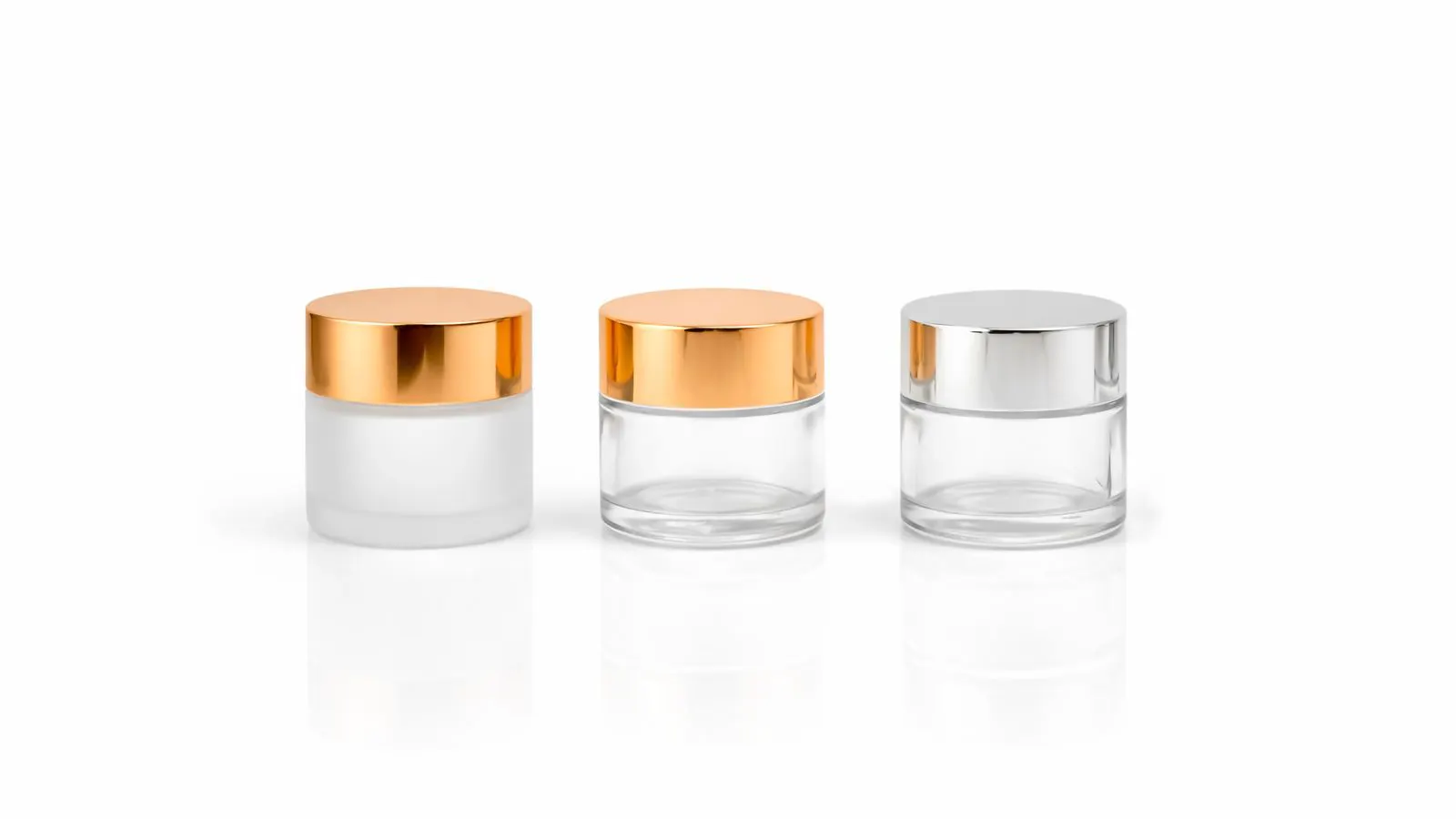
Ask about the finish. Glass can be frosted, clear, or tinted. Plastic can be clear, opaque, or textured. The finish affects how the product looks on the shelf.
Consider the end of life. Some buyers care about recyclability. Glass is widely recycled. Plastic recyclability depends on the resin and local facilities. HDPE and PP are more common in recycling streams than PET for jars.
Final selection tips
Start with the product. If the formula is reactive or high-value, lean toward glass. If the formula is stable and the budget is tight, lean toward plastic.
Look at the total cost. Include shipping, damage rates, and retail handling. A cheap jar that breaks in transit is not cheap.
Check the shape. If the design requires thin walls or a unique form, plastic is likely the only option. If the design is simple and round, both materials work.
Request samples from at least two suppliers. Compare the feel, the lid fit, and the finish. The difference is often in the details.
The bottle and jar selection is not just a material choice. It is a decision that touches stability, cost, and brand image. Make it based on the product, not on habit.
Frequently asked questions
Can I use a plastic jar for a high-concentration serum?
It is possible if the resin is matched to the formula, but glass is the safer default. Plastic can interact with certain actives over time.
Which material is lighter for a 300 ml jar?
Plastic is lighter. The weight difference affects shipping cost and handling.
Do glass jars have a longer shelf life than plastic?
Glass does not degrade or react with the product, so it supports longer shelf life. Plastic can degrade or migrate over time.
Is PET plastic a good choice for jars?
PET is rigid and clear, but it may not suit all oil-based formulas. HDPE and PP are often better for thicker products.
How do I verify the plastic is safe for my product?
Request migration test data or material safety information from the supplier. This is part of the compliance check.