Buyers Guide to Custom Cosmetic Bottles and Pumps
Custom cosmetic packaging requires matching bottle geometry, material, and pump mechanism to product viscosity and brand positioning. Buyers must verify supplier capabilities, request physical samples, and test dispensing performance before finalizing procurement to ensure product stability and consumer experience.
- Match pump mechanism and bore size to product viscosity and texture.
- Require physical samples and dispensing tests before finalizing supplier selection.
- Verify material compatibility and regulatory compliance for labeling areas.
- Evaluate supplier lead times and minimum order quantities against production schedules.
- Document bottle, pump, and cap specifications in a written technical brief.
Understanding the Role of Custom Packaging in Product Success
Custom packaging determines first impressions and protects the product until the moment of use. A well-designed bottle and pump system can define shelf presence, communicate brand positioning, and influence consumer retention. Poorly matched dispensers lead to inconsistent application, product waste, and increased support complaints.
This guide focuses on selecting custom bottles and pumps that align with your formulation, brand identity, and operational constraints. It covers material choices, pump mechanisms, supplier evaluation, and procurement steps for professional buyers.
Evaluating Bottle Materials and Their Trade-Offs
The choice between glass, plastic, and metal containers shapes product performance, cost structure, and sustainability profile. Each material offers distinct advantages and limitations that must align with your brand strategy and product type.
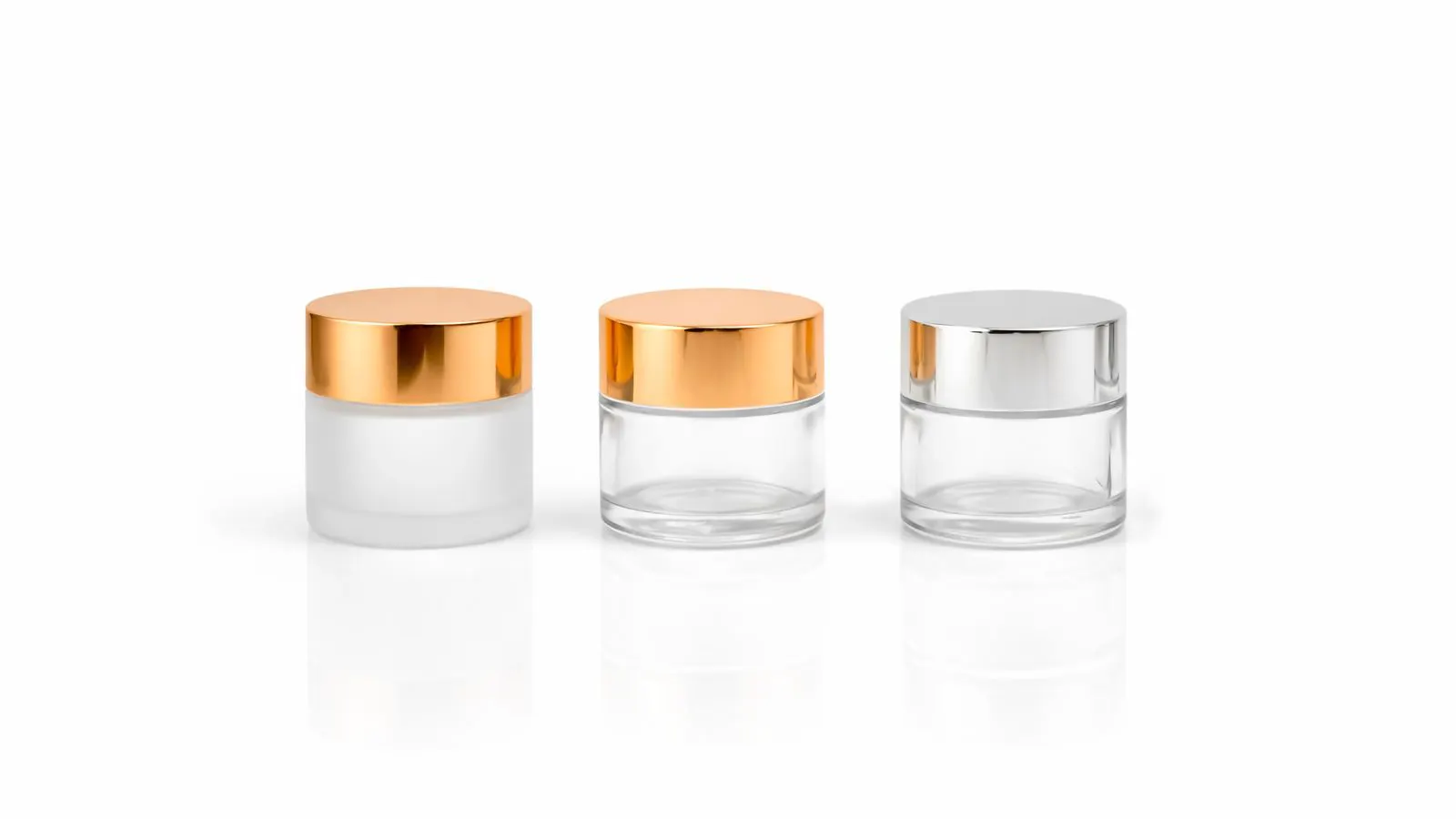
Glass offers superior inertness and a premium tactile feel. It resists chemical reactions with many formulations and provides excellent clarity for showing product color. The primary drawbacks are weight, fragility during transit, and higher breakage rates. For liquid serums or toners, glass with a protective inner liner can reduce breakage while maintaining aesthetic appeal.
Plastic containers, often made from PETG, PP, or HDPE, offer lightweight durability and design flexibility. These materials handle high-impact applications well and resist breakage in transit. They can be molded into complex shapes and colors at scale. The trade-off is that some plastics may absorb odors or allow trace migration over long storage periods. Selecting food-grade or cosmetic-grade resin reduces this risk.
Metal containers provide a heavy, premium feel suited to solid bars, powders, or creams in jars. Aluminum offers corrosion resistance and good thermal properties. However, metal requires careful labeling surface preparation and may limit transparency for showing product contents.
Selecting the Right Pump Mechanism
Pump selection depends on product viscosity, texture, and intended usage. The wrong pump leads to dripping, clogging, or inconsistent dose delivery. Buyers should evaluate pump type, bore size, and actuator geometry against their formulation.
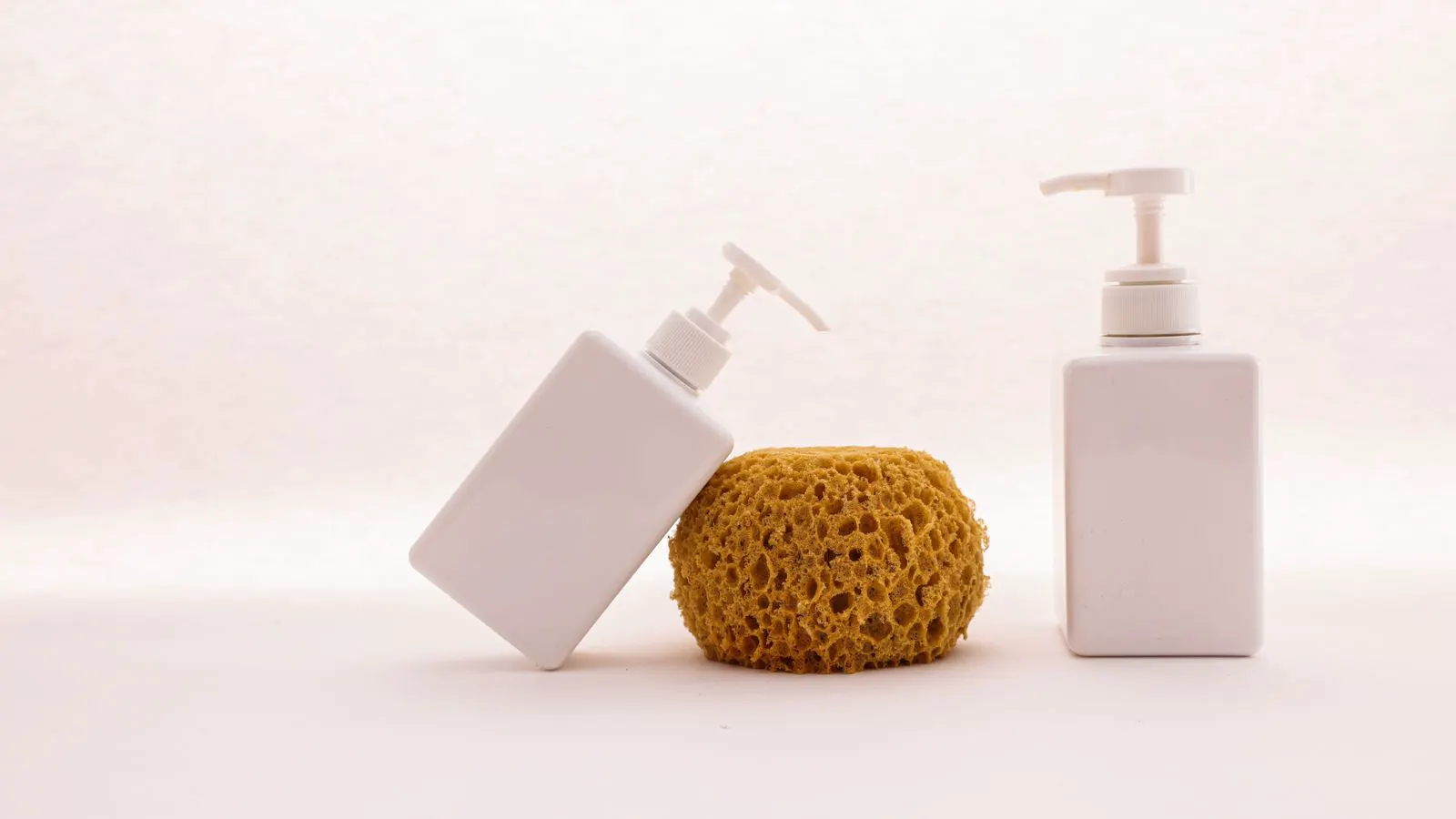
Standard pumps suit lightweight liquids with low viscosity, such as toners and mists. They deliver small, controlled amounts per press. For thicker formulations like lotions or creams, high-viscosity pumps with larger bores and stronger springs are required. These pumps often use a dual-action mechanism to pull product up while expelling it.
Airless pumps eliminate air pockets and preserve active ingredients. They are ideal for serums, facial oils, and products sensitive to oxidation. The cost is higher than standard pumps, but the functional benefit reduces waste and extends product shelf life.
Dropper systems suit low-volume, high-potency products like essences or concentrated serums. The glass or plastic pipette must match the bottle neck diameter and seal tightly to prevent leaks.
Criteria for Evaluating Packaging Suppliers
Supplier selection requires more than price comparison. Evaluate technical capability, quality control, and operational reliability. The table below outlines key criteria for assessing potential partners.
| Criterion | What to look for | Why it matters |
|---|---|---|
| Material compliance | Certificates for food-grade or cosmetic-grade resins, glass, and metals | Ensures no harmful chemical migration into the product |
| Sample accuracy | Ability to produce accurate color, finish, and dimension samples | Reduces risk of mismatched production runs |
| Pump compatibility | Tested pump-to-bottle fit across multiple product viscosities | Prevents clogging, leaking, or poor dispensing |
| Regulatory readiness | Knowledge of labeling regulations and material safety requirements | Avoids compliance issues at import or retail |
| Lead time reliability | Documented production schedules and buffer capacity | Protects launch timelines and seasonal demand |
| Minimum order quantity | MOQs aligned with your production volume and cash flow | Prevents overstocking or underproduction |
Practical Steps in the Bottle Procurement Process
Bottle procurement follows a structured path from brief to production. Skipping steps creates costly rework and delays.
- Develop a detailed technical brief. Specify bottle shape, dimensions, material, color, finish, and labeling area. Include product type, viscosity range, and intended use.
- Request three to five sample options. Evaluate physical feel, cap fit, and pump operation. Test with your actual formulation, not water or substitute liquids.
- Conduct dispensing tests. Measure volume per press, check for dripping, and assess pump longevity over repeated cycles.
- Verify labeling compatibility. Confirm that adhesive or direct-print labels adhere properly to the chosen surface without peeling or distorting.
- Review quality control documentation. Ask about incoming material inspection, in-process checks, and final visual inspection protocols.
- Confirm lead times and packaging. Understand how finished units ship, whether in master cartons or individually protected, and what damage rates to expect.
Common Mistakes in Custom Packaging Procurement
Buyers frequently underestimate the complexity of packaging integration. Several recurring errors lead to production failures and brand damage.
Specifying color without providing physical swatches or digital references leads to mismatched batches. Pantone matching helps, but lighting conditions and material surface finish affect perceived color. Always request physical samples under natural light.
Ignoring pump compatibility is a critical oversight. A pump that works with a lightweight lotion may clog with a thicker cream. Test pumps with your final formulation, including any added ingredients that affect viscosity.
Neglecting labeling surface preparation creates adhesion problems. Glass and plastic have different surface energies. Acetone or primer may be needed for certain labels. Test label placement and durability before scaling.
Assuming standard lead times apply to all suppliers creates supply chain risk. Custom tooling, color matching, and regulatory review extend production time. Build buffer into your launch schedule.
Decision Checklist for Final Selection
Before signing a purchase order, complete this checklist to ensure all requirements are met and risks are addressed.
- Technical brief finalized with dimensions, materials, and finish specifications.
- Physical samples received and approved under natural lighting conditions.
- Dispensing tests completed with actual product formulation.
- Pump mechanism verified for viscosity range and long-term reliability.
- Labeling compatibility confirmed for chosen surface and adhesive type.
- Regulatory compliance documented for materials and labeling in target markets.
- Lead times confirmed with buffer for tooling, production, and shipping.
- Minimum order quantities aligned with production schedule and cash flow.
- Quality control protocols documented, including inspection points and acceptance criteria.
- Packaging and shipping method agreed upon to minimize transit damage.
Use this checklist as a gate before committing to production. It forces alignment between design intent, product performance, and operational reality. A systematic approach reduces rework, protects brand consistency, and ensures the packaging performs as designed.
Frequently asked questions
What is the typical lead time for custom cosmetic bottles?
Lead times vary based on tooling complexity, material, and supplier capacity. Custom glass can take longer than plastic due to molding and finishing. Always confirm specific timelines during supplier evaluation.
How do I test if a pump works with my formulation?
Fill the sample bottle with your actual product. Press the pump repeatedly to check for consistent dose, clogging, or dripping. Test with both full and partially filled bottles to identify air pocket issues.
Can I use any label on any bottle material?
No. Adhesive compatibility depends on surface material and finish. Test labels on physical samples before production. Some surfaces require primers or specific adhesive types for proper adhesion.
What is the difference between standard and airless pumps?
Standard pumps use a spring mechanism to dispense product. Airless pumps use a diaphragm to push product upward without introducing air. Airless pumps are better for oxidation-sensitive products.
How many samples should I request before production?
Request three to five samples from different suppliers or designs. Evaluate physical quality, cost, and lead times side by side. Physical samples are essential for assessing finish, weight, and user experience.