Outlook for Sustainable Cosmetic Packaging Trends

Sustainable packaging is moving beyond recycled plastic to include refillable systems, mono-materials, and bio-based components. Buyers should prepare by updating supplier questionnaires, testing material compatibility, and redesigning structures to reduce waste and meet evolving regulatory expectations.
- Shifts in sustainable packaging favor mono-materials, refillable systems, and bio-based components over mixed plastics.
- Buyers should update supplier questionnaires and material compatibility testing to support new design requirements.
- Refillable structures reduce material usage but require careful engineering for pump performance and leak prevention.
- Regulatory pressure and consumer demand are accelerating the transition away from multi-layer non-recyclable structures.
- Early supplier engagement is critical to avoid long lead times and cost overruns during the transition.
Sustainable packaging in cosmetics is no longer a niche preference. It is a structural change in how products are designed, sourced, and sold. Buyers who still treat eco-friendly materials as an optional add-on will face longer lead times, higher costs, and limited supplier options. The direction is clear. Packaging must reduce material weight, increase recyclability, and support circular models. This article outlines the shifts you should plan for and how to prepare your pipeline.
What material changes should buyers expect
The move away from multi-layer plastics is the most visible shift. Many cosmetic structures currently combine a plastic outer layer with a thin aluminum or barrier layer inside. This combination creates a non-recyclable composite. The industry is moving toward mono-material structures. A mono-material bottle uses a single polymer throughout the body and the interior.
Polypropylene and polyethylene are the most common mono-materials for this transition. They are widely recyclable in many markets. However, barrier performance is a challenge. Water-based lotions and anhydrous balms have different moisture and oxygen transmission requirements. Buyers should ask suppliers about barrier coatings that are compatible with the base polymer. Some coatings are water-based and easier to separate than solvent-based alternatives.
Bio-based materials are gaining traction. Sugarcane-derived polyethylene and plant-based cellulose films are entering the market. They look similar to conventional plastics but carry a different carbon footprint. The trade-off is durability and cost. Bio-based PET may be suitable for a short-term refill program, but it may not meet the shelf-life requirements of a high-end serum. Test every material. Do not assume performance based on the label.
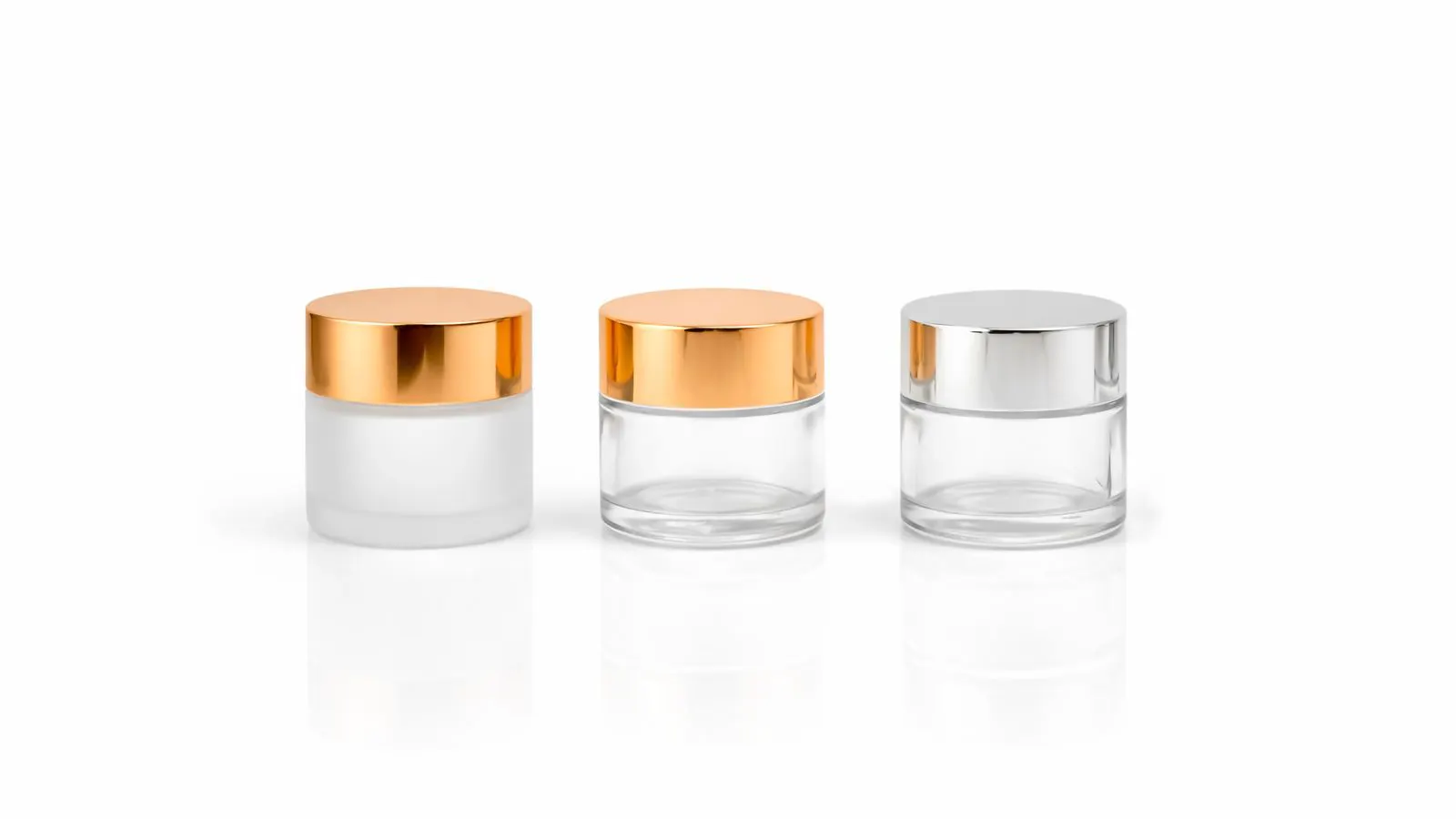
Glass remains a strong option for premium lines. It is infinitely recyclable and provides excellent barrier protection. The issue is weight and breakage. For sustainable packaging, glass is not automatically the greenest choice. A lightweight glass jar with a recycled aluminum lid may outperform a heavy plastic bottle in terms of total material impact. The decision depends on the product, the fill volume, and the distribution chain.
How refillable systems are changing design
Refillable packaging is one of the strongest trends in sustainable packaging. The model separates the outer vessel from the consumable product. The consumer buys the outer bottle or jar once and then purchases smaller refill pouches or capsules. This reduces the amount of virgin material used for each refill.
The engineering challenge is not the pouch. It is the connection. The outer vessel must hold the refill securely without leaks. Pumps, spray nozzles, and droppers must be designed to work with a smaller internal volume. A standard 30 ml pump may not perform correctly in a 15 ml refill chamber. The pressure differential changes. The fluid path is shorter. Air pockets form differently.
Buyers should request prototypes before committing to tooling. A leak test at low and high temperatures is standard. A cycle test that simulates repeated opening and closing is necessary. If the outer vessel has a screw-top mechanism, the threads must be precise. Even a small tolerance mismatch will cause a seal failure over time.
The outer vessel also drives brand perception. It is the item the consumer keeps. It must be durable enough to survive years of use. Acrylic is a common choice for refillable outer vessels because it is lightweight and clear. However, acrylic scratches over time. Glass outer vessels are heavier but more durable. The choice affects the end-user experience and the long-term value of the product.
Why mono-materials are replacing mixed structures
Mixed structures are a barrier to recycling. When a bottle contains a plastic body, a plastic inner liner, and a metal cap with a plastic liner, recycling facilities cannot easily separate the components. The result is contamination. The entire batch may be rejected.
Mono-materials solve this by using a single polymer type. The cap, the body, and the inner liner can be the same material. This simplifies the recycling stream. It also reduces the number of parts in the assembly. Fewer parts mean less labor, fewer failure points, and lower production cost over time.
The transition is not always straightforward. Some products require different material properties in different parts. A pump stem may need stiffness. A bottle body may need flexibility. A cap may need a soft touch. Using a single material for all components can compromise performance. Buyers need to work with suppliers who can adjust the resin formulation or add internal reinforcements without introducing a second material type.
Another factor is color. Dark colors absorb heat. This can affect the stability of light-sensitive products like retinoids or vitamin C serums. A mono-material bottle in a dark color may need a thicker wall or a different resin blend to maintain barrier performance. The color choice is a material choice, not just a design choice.
How labeling and inks are adapting
Sustainable packaging includes the label. The adhesive, the substrate, and the ink are all part of the environmental profile. Water-based inks and soy-based inks are replacing solvent-based alternatives. They have lower volatile organic compound emissions and are safer for the workers applying them.
The label substrate is changing as well. Paper-based labels are more common. They are recyclable with the paper stream if the adhesive is water-based. Plastic labels are harder to separate. Some suppliers offer labels with a water-soluble adhesive that allows the paper to peel away from the bottle. This improves the recyclability of the glass or mono-material plastic container.
The content on the label is also shifting. Consumers look for clear information about materials and recycling instructions. A label that says “recyclable” without specifying the material type is misleading. A label that states “PP #5 recyclable” is useful. It tells the consumer what to do.
Regulatory requirements are pushing this change. Some regions require that labels include the resin identification code and the percentage of recycled content. Buyers should standardize their label templates to include these fields. It avoids rework and ensures compliance across different markets.
What suppliers are changing in their processes
Suppliers are updating their production lines to support sustainable packaging. The changes are technical. Injection molding machines are being tuned for different resins. Bio-based plastics may require different injection pressures and temperatures. Recycled content may introduce variations in melt flow index.
Quality control is expanding. Traditional checks measure dimensions and weight. New checks measure material composition and barrier performance. Suppliers are adopting inline near-infrared scanning to verify resin type. They are also using gas permeation testers to check oxygen and water vapor transmission.
Lead times are longer for new sustainable materials. The supply chain for bio-based resins is still developing. The production capacity for mono-material molds is limited. Buyers who wait until the last minute to source materials will face delays. Early engagement with suppliers is the best strategy. Share your target date and your material preferences. Ask for a feasibility review before you commit to a design.
How to prepare your packaging pipeline
The first step is to audit your current packaging. List every SKU. Identify the material, the structure, and the recycling status. Flag any product that uses a mixed structure or a non-recyclable adhesive. This creates a baseline. It shows where the biggest improvements are possible.
The second step is to update your supplier questionnaire. Add questions about mono-material capability, bio-based material sourcing, and refillable structure experience. Ask for material safety data sheets and recycling test reports. Do not accept a general claim. Ask for specific data.
The third step is to redesign your top sellers. Start with the products that move the most volume. A small improvement in material weight or recyclability on a high-turn product has a larger impact than a major redesign on a low-turn niche product. Use these products as test cases. Validate the new materials in the field. Check for consumer feedback on feel, durability, and perceived quality.
The fourth step is to train your internal team. Marketing teams often want bold colors and complex textures. Engineering teams need to understand the constraints of mono-materials. A single conversation between these groups can save months of rework. Set clear guidelines. Define which visual elements are non-negotiable and which can be adjusted for sustainability.
The fifth step is to plan for regulatory changes. Sustainable packaging rules are tightening in many regions. The requirements for recycled content, labeling, and take-back programs are becoming more specific. Monitor the regulatory updates in your target markets. Build flexibility into your design. A structure that works in one market may fail in another.
The direction of sustainable packaging is clear. It is moving from isolated eco-friendly choices to system-wide redesign. The buyer who prepares now will have options. The buyer who reacts late will have constraints. The shift is not a trend. It is the new standard for cosmetic packaging.
What to avoid in the transition
Do not chase 100 percent recycled content without testing performance. Recycled polypropylene can have lower clarity and different melting behavior than virgin resin. It may work for a jar lid but fail for a clear serum bottle. Test every component.
Do not assume that a material is sustainable because it is bio-based. The production method matters. A bio-based plastic made from a high-impact agricultural source may have a larger footprint than a recycled plastic made from a closed-loop system. Ask suppliers about their sourcing and production methods.
Do not over-engineer the outer vessel in a refill system. The outer vessel must be durable, but it does not need to be as thick as the original bottle. A lighter outer vessel reduces the total material impact. Balance durability with weight.
Do not ignore the cap. The cap is often the most complex part of the structure. It contains the seal, the pump, and the user interface. A sustainable cap that leaks or feels cheap will damage the brand. Invest in a good cap supplier. The cap is the first thing the consumer touches.
The transition to sustainable packaging requires patience and precision. It is not a quick swap. It is a rethinking of the product structure, the material choice, and the user experience. The buyers who succeed will be the ones who treat it as a core part of product development, not an afterthought.
Frequently asked questions
What is the most common mono-material used in cosmetic packaging?
Polypropylene is the most common mono-material for cosmetic bottles and jars. It offers good barrier performance and is widely recyclable in many markets.
Are refillable systems always better for the environment?
Not always. The impact depends on the refill material, the frequency of refills, and the logistics. A refillable system reduces virgin material use, but the outer vessel must be durable enough to justify the initial cost.
Can glass be part of a sustainable packaging strategy?
Yes. Glass is infinitely recyclable and provides excellent barrier protection. The sustainability impact depends on weight, transport distance, and the source of the glass. Lightweight glass with a recycled aluminum lid is a strong option.
How do I verify that a supplier can produce mono-material packaging?
Request a material certification and a sample of the finished structure. Run a density test to confirm the resin type. Ask for a recycling compatibility report from a certified facility.
What is the biggest mistake buyers make when switching to sustainable packaging?
The biggest mistake is waiting too long to test new materials. Sustainable materials have different processing characteristics. Testing at the prototype stage prevents costly rework and production delays.