Explainer: How Emulsifiers Work in Cosmetic Formulations
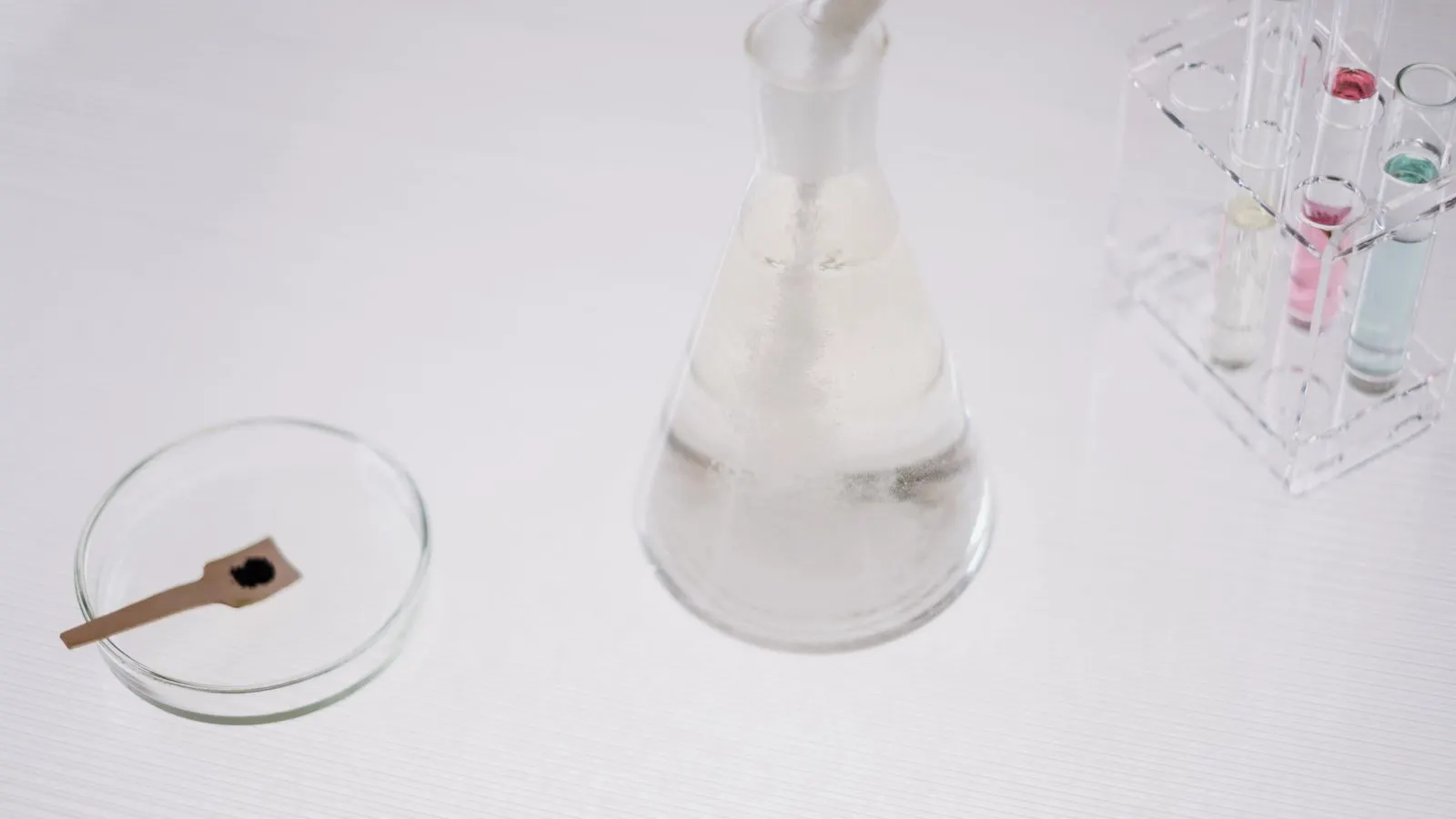
Emulsifiers work by reducing surface tension between oil and water phases. They adsorb onto the interface and form a protective layer that prevents droplets from merging. Understanding this mechanism helps buyers select raw materials based on HLB values, stability data, and supplier specifications.
- Emulsifiers are surfactants that lower surface tension at the oil-water interface
- HLB values guide selection based on whether the formulation needs oil-in-water or water-in-oil emulsions
- Stability data from suppliers should be checked against the specific formulation conditions
- Sourcing decisions should consider emulsifier compatibility with other functional ingredients
- Worked examples show how emulsifier choice affects final product texture and shelf life
Why Oil and Water Separate in Cosmetics
Oil and water do not mix naturally. The water phase contains ingredients like glycerin, humectants, and soluble actives. The oil phase carries emollients, waxes, and lipid-soluble vitamins. Without intervention, these phases separate rapidly into distinct layers.
This separation occurs because water molecules form hydrogen bonds with each other. Oil molecules prefer to bond with similar hydrophobic structures. The interface between these phases has high surface tension, creating energy that the system tries to minimize by separating completely.
Emulsifiers solve this problem at the molecular level. They possess two distinct chemical regions. One end is hydrophilic, meaning it attracts water. The other end is lipophilic, meaning it attracts oil. This dual nature allows emulsifiers to position themselves at the boundary between phases.
How Emulsifiers Stabilize the Interface
An emulsifier molecule orients itself at the oil-water boundary. The hydrophilic head group points into the aqueous phase. The lipophilic tail extends into the oil phase. This arrangement reduces the interfacial tension between the two phases.
The reduced surface tension makes it energetically favorable for oil to disperse as droplets within water, or water to disperse as droplets within oil. This is the basis of emulsion formation. The droplets become smaller than they would be without surfactants.
Stabilization goes beyond initial dispersion. Emulsifiers form a physical barrier around each droplet. This layer prevents droplets from coalescing when they collide. The barrier must be strong enough to resist mechanical stress, temperature changes, and pH variations.
Different emulsifiers work through different stabilization mechanisms. Some rely on electrostatic repulsion between charged droplets. Others create steric hindrance through bulky molecular structures. Some form viscoelastic networks at the interface. The specific mechanism depends on the molecular architecture of the emulsifier.
Reading Formulation Science for Emulsion Design
Formulation science treats emulsion design as a balance of competing forces. The Hydrophile-Lipophile Balance, or HLB value, is a key parameter in this balance. HLB values indicate whether an emulsifier prefers aqueous or oily environments.
Lower HLB values, typically below 10, favor water-in-oil emulsions. These products feel richer on skin. They work well for moisturizers and night creams. Higher HLB values, generally above 10, favor oil-in-water emulsions. These products feel lighter and rinse easily. They suit lotions and face mists.
When sourcing emulsifiers, buyers should request HLB value documentation from suppliers. The value should match the intended emulsion type. A mismatch leads to phase inversion during manufacturing or instability during storage.
Key Factors in Emulsifier Selection
Several factors influence which emulsifier fits a specific formulation. The first is the oil phase composition. Different oils have different melting points and viscosities. An emulsifier that works well with light mineral oils may fail with heavy butters.
The second factor is the aqueous phase composition. High concentrations of salts or sugars can affect emulsifier performance. Some emulsifiers are sensitive to pH changes. Others degrade at specific temperature ranges.
The third factor is processing method. Shear rates during manufacturing affect droplet size. Higher shear creates smaller droplets, which can improve stability. But excessive shear can damage some emulsifier structures.
The fourth factor is shelf life requirements. Some emulsifiers provide long-term stability but may require preservative systems. Others offer natural stability but have shorter functional lifespans.
Sourcing Decisions for Cosmetic Ingredients
Sourcing emulsifiers requires more than checking chemical compatibility. Buyers must evaluate supplier capabilities. Does the supplier provide technical data sheets with specific stability data? Can they produce consistent batches at scale? Do they offer sample testing before full production?
Cosmetic chemistry regulations vary by region. Some emulsifiers are restricted or banned in certain markets. Buyers should verify compliance documentation for each ingredient. This includes safety assessments, purity specifications, and regulatory status in target markets.
Cost considerations matter, but price is not the only factor. A cheaper emulsifier that requires more preservatives or fails stability testing may cost more in the long run. The total cost includes raw materials, processing time, waste, and potential recalls.
Suppliers should be able to explain their emulsifier mechanisms clearly. If a sales representative cannot describe how their product stabilizes emulsions at a molecular level, that is a red flag. Technical support quality matters as much as the product itself.
| Emulsifier Type | Typical Use | Texture Impact | Stability Consideration |
|---|---|---|---|
| Nonionic | Creams and lotions | Smooth, light feel | Generally stable across pH ranges |
| Anionic | Shampoos and cleansers | Lather-producing | Sensitive to hard water minerals |
| Cationic | Hair care products | Softening effect | Can interact with anionic surfactants |
| Amphoteric | Mild cleansers | Gentle lather | Balanced stability in various conditions |
| Natural | Organic formulations | Light, natural feel | May require additional preservative systems |
Worked Example: Stabilizing a Facial Lotion
A formulator needs to create a lightweight facial lotion with oil-in-water structure. The oil phase contains jojoba oil and squalane. The water phase contains distilled water, glycerin, and vitamin C derivative.
The formulator selects a nonionic emulsifier with an HLB value of 12. This value favors oil-in-water dispersion. Jojoba oil and squalane are liquid oils at room temperature. They do not require high-melting-point emulsifiers.
During manufacturing, the oil and water phases are heated to 70 degrees Celsius. The emulsifier dissolves in both phases. When combined under moderate shear, the emulsifier orients at the interface. Oil droplets disperse within the water phase.
The final product feels light on skin. It rinses away easily. Stability testing shows the emulsion remains uniform after three months at room temperature. Temperature cycling tests confirm no phase separation. pH remains stable at 5.5, which supports vitamin C derivative integrity.
If the formulator had selected an emulsifier with an HLB value of 5 instead, the result would have been different. The oil droplets would have been too large. The product would have separated quickly. The texture would have been greasy rather than light.
Common Formulation Mistakes
One common mistake is ignoring emulsifier compatibility with preservatives. Some preservatives interact with specific emulsifiers. This interaction can reduce preservative efficacy or alter emulsifier performance. Always test the complete formulation, not just the emulsion base.
Another mistake is assuming higher emulsifier concentration always means better stability. Excessive emulsifier can cause cloudiness, affect texture, and irritate sensitive skin. Formulation science emphasizes using the minimum effective concentration.
A third mistake is neglecting packaging compatibility. Some emulsifiers migrate into certain plastic containers. This can affect product stability and packaging integrity. Compatibility testing between emulsifier and packaging material is necessary.
How Formulation Science Connects to Supply Chain
The formulation science behind emulsifiers directly impacts supply chain decisions. When selecting suppliers, buyers should ask for data on emulsifier lot-to-lot consistency. Variability in emulsifier batches can cause formulation failures in production.
Supplier technical service is a key differentiator. A good supplier will work with formulators to troubleshoot stability issues. They will provide application notes and troubleshooting guides. This support reduces development time and production risk.
Sustainability considerations also factor into emulsifier sourcing. Some emulsifiers are derived from renewable sources. Others require energy-intensive production processes. Buyers should consider the full lifecycle impact, not just the chemical composition.
Understanding how emulsifiers work at the molecular level gives buyers the confidence to ask the right questions. It shifts procurement from a transactional exchange to a technical partnership. The result is better products, fewer production issues, and more predictable supply chains.
Frequently asked questions
What is the HLB value and why does it matter for emulsifier selection?
HLB indicates whether an emulsifier prefers aqueous or oily environments. Lower values favor water-in-oil emulsions, while higher values favor oil-in-water emulsions. Matching the HLB value to the intended emulsion type prevents phase inversion and instability.
Can I use any emulsifier with any oil phase?
No. Emulsifier performance depends on oil viscosity, melting point, and chemical structure. An emulsifier that works well with light oils may fail with heavy waxes or butters. Always test compatibility with your specific oil blend.
How do I know if an emulsifier will be stable in my formulation?
Request stability data from the supplier that matches your formulation conditions. Ask about temperature cycling, pH range, and preservative compatibility. Conduct your own stability testing before committing to full production.
What is the difference between nonionic and anionic emulsifiers?
Nonionic emulsifiers have no charge and are generally stable across pH ranges. Anionic emulsifiers carry a negative charge and produce lather but can be sensitive to hard water and certain preservatives. Selection depends on product type and performance requirements.
How much emulsifier do I typically need in a formulation?
The concentration varies by emulsifier type and formulation structure. Most cosmetic emulsions use between 1 and 5 percent emulsifier by weight. Using less than necessary leads to instability. Using more than necessary can affect texture and increase cost.