How to Qualify a Makeup OEM Before Production
Qualifying a makeup OEM requires verifying facility capabilities, raw material sourcing, and regulatory compliance. This guide outlines the specific steps, documents, and checks needed to assess a supplier before placing a production order for color cosmetics.
- Verify the facility holds current GMP and ISO certifications, and confirm the scope covers color cosmetics.
- Request a full Bill of Materials and sample production for your specific formula to check for color consistency.
- Audit the raw material sourcing to ensure shade integrity and compliance with regional regulations.
- Test the communication workflow with the supplier's technical team before committing to a large run.
Why Qualification Matters for Color Cosmetics
Color cosmetics demand stricter control than many other product categories. Shade consistency, pigment stability, and texture are non-negotiable for end-user experience. A failure in any of these areas can result in a batch that looks, feels, or performs differently from the approved sample.
Supplier qualification is the process of vetting a manufacturer before production. It is not just about finding a factory that can make lipstick. It is about confirming the facility can make your specific formula, at your specific quality level, at scale. For professional buyers and engineers, this step protects both the brand and the product.
The makeup OEM must demonstrate capability across several areas: facility infrastructure, process control, quality assurance, and regulatory compliance. This guide walks through the specific steps to evaluate a supplier before you place an order.
Step 1: Verify Facility Infrastructure and Certifications
Start by requesting the factory’s current certifications. Look for Good Manufacturing Practice (GMP) and ISO standards that are recognized in your target market. Do not just check the certificate number. Check the scope of the certification.
A GMP certificate for personal care may not cover the specific processes required for color cosmetics. Color cosmetics involve pigment dispersion, high-shear mixing, and often metal foil stamping or packaging. The facility must be equipped for these specific steps.
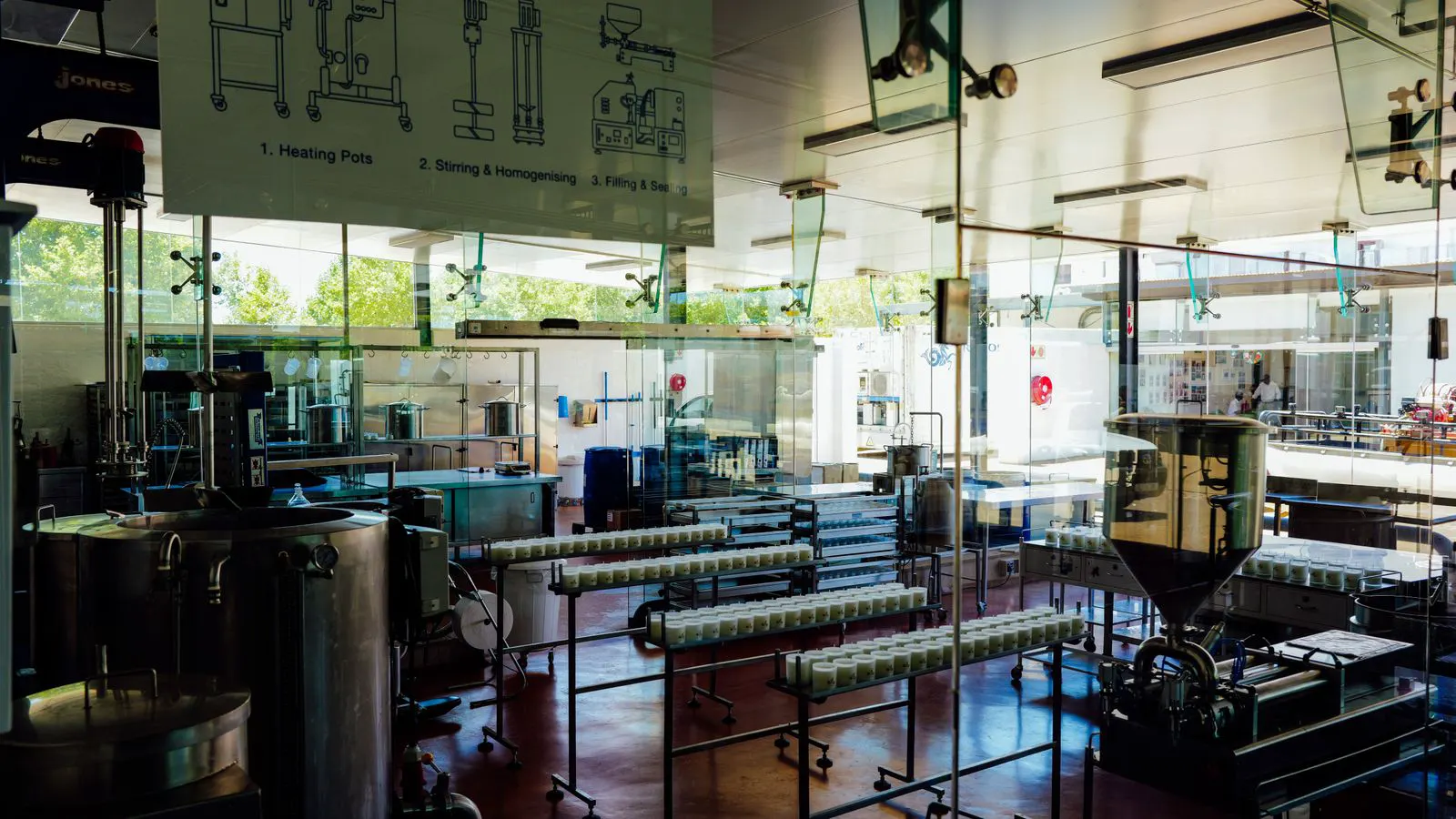
Visit the factory if possible. If a physical visit is not feasible, request a detailed video tour. Focus on the mixing area, the filling area, and the packaging area. Look for segregated work zones. Pigments are messy. If the same line is used for a matte powder and a shiny liquid without proper cleaning protocols, contamination risk is high.
Check the equipment. Do they use in-line mixers or batch mixers? Do they have automated filling machines? These details affect throughput and consistency. A manual filling station may be fine for small test batches, but it is often a bottleneck for large production runs.
Step 2: Assess Raw Material Sourcing and Shade Integrity
The quality of a color cosmetic is only as good as its raw materials. Request a list of approved suppliers for key ingredients. For color cosmetics, this includes pigments, colorants, and specialty waxes.
Ask about the source of your specific pigments. Pigments can vary in hue and particle size from batch to batch. A supplier should have a consistent source or a backup source that matches the approved shade. If they use multiple suppliers for the same pigment, ask how they manage the variability.
Request a raw material data sheet for your primary colorants. Check for purity, particle size distribution, and solubility. These factors affect the final product’s texture and color intensity.
Also, ask about their quality control on incoming materials. Do they test every batch of pigment? Do they keep sample references? If a new batch of pigment arrives and it looks slightly different, they should have a process to detect and reject it before it goes into the formulation.
Step 3: Review the Production Process and Process Control
Ask for a detailed process flow chart for your product. This should list every step from raw material receipt to final packaging. Look for critical control points.
For example, in a liquid lipstick, the mixing time and temperature are critical. If the mixture is too hot, the emulsion may break. If it is mixed for too long, the color may degrade. The supplier should have documented parameters for these steps and a method to monitor them.
Ask about their in-process controls. Do they check viscosity during mixing? Do they check color match at the filling stage? Color match is often the biggest pain point in color cosmetics. A supplier should have a colorimeter or a spectrophotometer to measure color difference. Ask if they use these tools and how they record the results.
Request a sample production run. Do not rely on the lab sample alone. A lab sample is made in a small vessel. Production is made in a large vessel. The process is different. The mixing energy is different. The cooling rate is different.
Place a small order for a specific shade. Compare the sample production to the lab sample. Check the color, the texture, and the application feel. If there is a difference, ask the supplier to explain why. Their answer will tell you a lot about their process control.
Step 4: Evaluate Quality Assurance and Regulatory Compliance
Quality assurance is the system that catches problems before they reach the customer. Ask for their QA manual. What are their testing methods? What are their acceptance criteria?
For color cosmetics, stability testing is critical. Ask if they perform accelerated stability testing. Do they test for color shift, phase separation, and microbial growth? They should have data on the shelf life of your product.
Check their regulatory compliance. If you are selling in the EU, the supplier should be familiar with the EU Cosmetics Regulation. If you are selling in the US, they should understand FDA guidelines. Ask them to provide a compliance matrix for your product. This matrix lists each ingredient and its status under the relevant regulations.
Do not just ask if they are compliant. Ask for evidence. Request the Safety Assessment Document (SAD) or Product Liability Insurance certificates. These documents prove that they have the data to back up their claims.
Also, check their handling of recalls. Ask for their recall procedure. If a batch is found to be defective, how do they trace it? How do they notify you? How do they manage the logistics of pulling the product from the market? A clear recall procedure is a sign of a mature quality system.
Step 5: Test Communication and Technical Support
A good makeup OEM is not just a factory. It is a partner. The communication between your team and their team determines the success of the project.
Set up a trial meeting with their technical team. Ask specific questions about your formula. Ask about a specific pigment they have used before. Ask about a specific packaging issue you have faced.
Pay attention to how they respond. Do they give direct answers, or do they give vague answers? Do they ask clarifying questions, or do they just listen? A good technical team will ask questions because they want to understand your needs.
Check their response time. Send an email with a technical question. See how long it takes for them to reply. Is it a day? Is it a week? Communication delays can stall your project.
Ask about their project management. Do they have a dedicated account manager? Do they have a project manager? Who is your single point of contact? A single point of contact reduces confusion and speeds up decision-making.
Qualification Criteria Table
Use this table to score each supplier you are evaluating. Assign a score of 1 to 5 for each criterion. A higher score indicates a stronger candidate.
| Criterion | What to look for | Why it matters |
|---|---|---|
| Facility Certification | Current GMP/ISO certificates with scope covering color cosmetics | Ensures the factory follows industry standards for hygiene and process control. |
| Raw Material Control | Approved supplier list, incoming inspection data, pigment source consistency | Guarantees shade integrity and prevents batch-to-batch variability in color. |
| Process Capability | Documented process flow, in-process controls (viscosity, color), equipment specs | Confirms the facility can replicate your formula at scale without quality loss. |
| Quality Assurance | Stability data, testing methods, recall procedure, compliance matrix | Protects the product against failure and ensures it meets legal requirements. |
| Communication | Response time, dedicated technical team, project management structure | Reduces risk of delays and miscommunication during the production lifecycle. |
Closing Decision Checklist
Before signing a contract, run through this final checklist. If any item is a no, stop and resolve it.
- Have you verified the factory’s GMP and ISO certifications and confirmed the scope includes color cosmetics?
- Have you received the raw material data sheets for all key pigments and colorants?
- Have you completed a sample production run and confirmed the color and texture match the lab sample?
- Have you reviewed the Quality Assurance manual and stability data for your specific formula?
- Have you met with the technical team and confirmed they can answer your technical questions?
- Have you agreed on a communication plan and identified a single point of contact?
- Have you reviewed the regulatory compliance matrix for your target market?
If you can check all these boxes, you are ready to move to production. If not, keep evaluating. The time you spend on qualification now will save you significant cost and risk later.
Frequently asked questions
How long does the supplier qualification process take?
A basic qualification can take two to four weeks if the supplier is responsive. A full audit and sample production run can take one to three months depending on your timeline and the complexity of the formula.
Do I need to visit the factory to qualify a makeup OEM?
A physical visit is the gold standard, but it is not always required. A detailed video tour and sample production run can provide sufficient confidence if the factory is transparent and cooperative.
What is the biggest red flag during supplier qualification?
The biggest red flag is a supplier who refuses to provide raw material data sheets or stability data. If they cannot prove the quality of their inputs and outputs, they cannot guarantee the quality of the final product.
Can I use a makeup OEM for both lab samples and production?
Yes, you should. Using the same supplier for both ensures that the process is consistent and that the production team is familiar with your formula. This reduces the risk of differences between the sample and the final product.
How do I handle shade variations during production?
Establish a clear color match protocol before production. Agree on the acceptable color difference range (Delta E) and have the supplier measure color at key points in the process. If the color is out of range, they must stop and adjust before filling.