Powder Compact Assembly Methods: OEM vs ODM
Powder compact assembly differs between OEM and ODM models primarily in tooling ownership and line integration. OEMs handle packaging with your formula, while ODMs offer finished components. The choice depends on tooling control, line speed, and formulation stability.
- OEM powder compact assembly keeps tooling and line control with the manufacturer, supporting tighter tolerances for your specific formula.
- ODM models offer faster time to market when you need finished components without owning packaging equipment.
- Line speed and changeover times are the main operational differences between the two models.
- Formula stability determines which assembly method protects your product quality.
How powder compacts differ from liquid or cream packaging
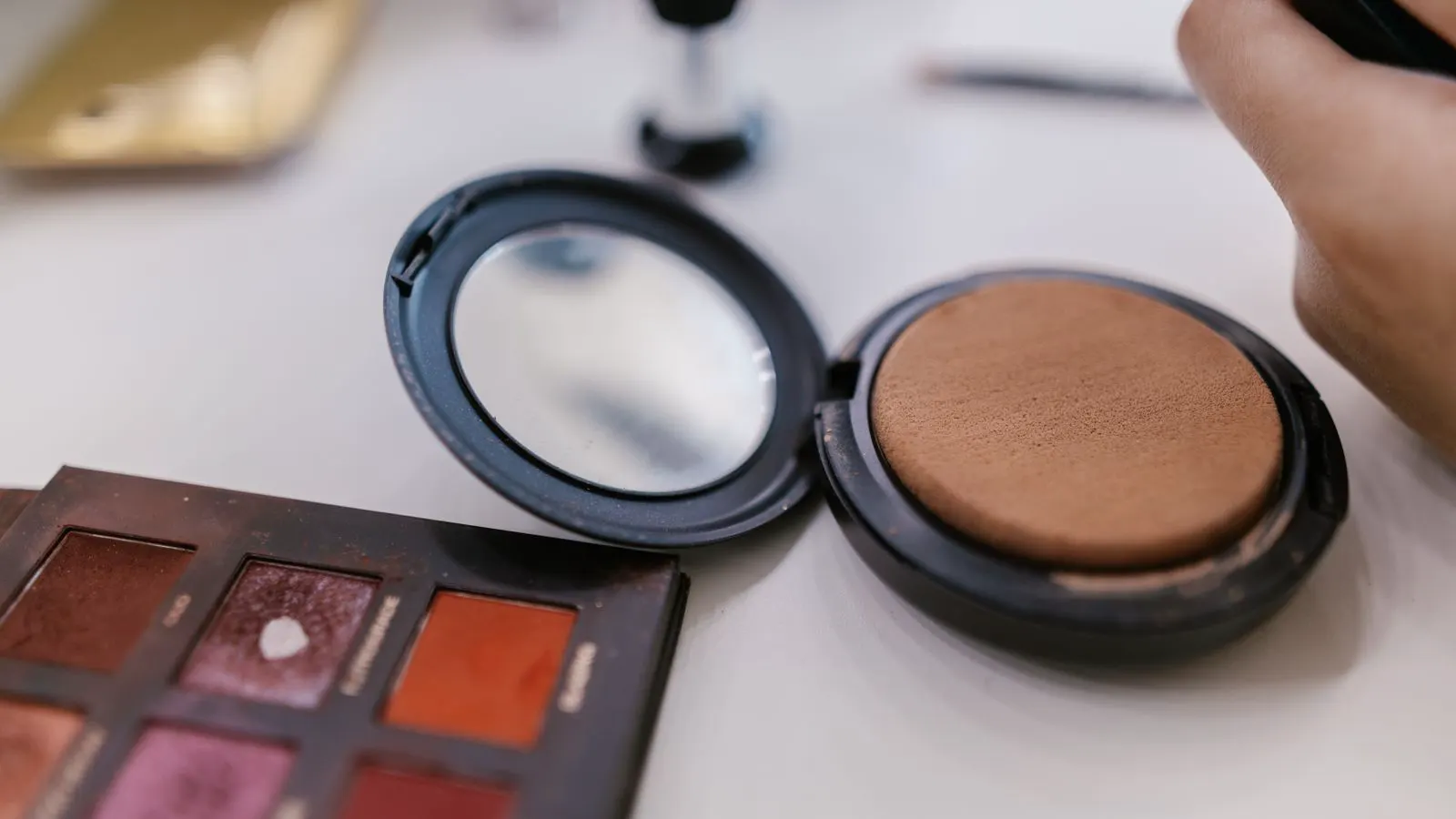
Powder compacts use a different assembly approach than liquids or creams. The core parts are the powder pan, the lid, the hinge or snap mechanism, and the internal base. These parts must align precisely. A loose hinge or a misaligned pan creates product loss. A cracked base damages the product.
The geometry of a compact is tighter than the geometry of a jar or bottle. The powder pan sits inside a recessed base. The lid rests on top of the pan. The hinge or snap connects the lid to the base. There is very little empty space between the components. If the pan is even one millimeter off center, the lid will not sit flat. The powder may shift during transport. The user experience suffers.
Powder handling introduces risks that liquids do not present. Static electricity can cause powder to stick to the nozzle or the pan walls. Fine particles can migrate into the hinge mechanism. Moisture absorption can change the powder density over time. These factors affect fill consistency and packaging integrity. A liquid line relies on pumps and nozzles. A powder line relies on flow control, vacuum, and mechanical precision.
The assembly method depends on who owns the packaging equipment and who controls the line. In OEM models, the manufacturer builds the line around your formula. In ODM models, the supplier offers a finished component package. This difference changes tooling, lead time, and quality control. It also changes the speed at which you can iterate on design and fill weight.
What OEM powder compact assembly actually involves
In an OEM powder compact assembly, the manufacturer owns the packaging line. You provide the formula and the packaging design. The plant installs or adapts the line to match your compact. The powder pan is filled, the base is sealed, and the lid is attached.
The tooling is specific to your product. The pan depth, the hinge type, and the sealing force are set to your formula. This control matters. A dense powder needs a different filling pressure than a light powder. The line operator adjusts the nozzle height and the vacuum level. The base seal must hold without cracking. If the powder is a heavy mineral-based blend, the filling nozzle may need to be wider to prevent bridging. If the powder is a fine mica or pearl blend, the nozzle must be smaller and the vacuum higher to pull the particles into the pan without leaving gaps.
Quality checks happen at multiple points. Weighing checks verify the fill weight. Visual inspection checks the powder surface. Hinge testing checks the snap force. The final check verifies the compact closes evenly. During the weighing check, the operator monitors the weight for each unit. A deviation of even a few grams can indicate a problem with the powder flow or the nozzle position. During the hinge test, the machine applies a set force to open and close the compact. If the force is too high, the hinge may crack. If it is too low, the compact may open during shipping.
The main advantage is control. If the powder clumps, you adjust the line. If the hinge feels weak, you change the sealant. The manufacturer handles the equipment. You do not buy the machines. You do not manage the maintenance. You receive a finished product.
The main cost is the setup. The line needs to be configured. The tooling needs to be made. This adds time before production starts. The setup also adds cost. If your run is small, the setup cost is higher per unit. If your run is large, the cost drops. The tooling may include custom molds for the base and lid. These molds take weeks to produce. They must be inspected for wear and tear. A worn mold can create surface defects on the plastic or metal parts.
What ODM powder compact assembly looks like
In an ODM powder compact assembly, the supplier offers a finished component package. They provide the powder, the pan, the base, and the lid. You choose from their catalog. The line is already built. The assembly is standardized.
The supplier owns the equipment. They run the line. They handle the maintenance. They manage the quality checks. You receive a finished product. The formula is theirs. The packaging is theirs. You may make small changes. You cannot change the line parameters.
The main advantage is speed. The line exists. The tooling exists. The formula exists. You can order and receive product quickly. The setup time is low. The cost per unit is lower for small runs. You can launch a product in a new market without investing in a custom line. You can test a concept with a small batch. If the market responds, you can scale up. If it does not, your risk is limited.
The main limitation is control. You cannot change the filling pressure. You cannot change the hinge type. You cannot change the base seal. The supplier controls the line. You control the selection. If you want a different fill weight, you may have to ask for a custom setup. This can increase the cost and delay the delivery.
How line speed and changeover times differ
Line speed is the number of compacts assembled per minute. A fast line handles simple designs. A slow line handles complex designs. An OEM line can be tuned to your product. An ODM line is tuned to their catalog.
Changeover time is the time to switch from one product to another. An OEM line with a single product has a low changeover. An ODM line with many products has a high changeover. The changeover includes cleaning, tooling swap, and line reset.
The difference affects your production plan. If you run one compact for six months, the changeover cost is low. If you switch every month, the changeover cost is high. The OEM model works better for long runs. The ODM model works better for short runs.
A fast line may run at a high volume for a single SKU. It may not be able to handle multiple SKUs quickly. A slower line may be more flexible. It can handle different pan sizes and hinge types. The choice depends on your production schedule. If you have many SKUs, a flexible line is better. If you have one SKU, a fast line is better.
How formula stability changes the choice
Some powders are stable. They flow well. They do not clump. They do not separate. These formulas work well on any line.
Other formulas are tricky. They clump easily. They separate. They are sensitive to moisture. These formulas need a controlled line. The filling nozzle must be the right size. The vacuum must be set correctly. The base seal must be strong.
The OEM model handles tricky formulas better. The line can be tuned. The operator can adjust. The quality checks can be tighter. The ODM model struggles with tricky formulas. The line is standardized. The operator cannot tune it.
If your formula is stable, the ODM model works. If your formula is sensitive, the OEM model is better. This is a practical rule. Test your formula on both lines. See which one holds up.
When to pick each model
Pick the OEM model when you need control. You have a specific formula. You have a specific design. You need tight tolerances. You run long batches. You want to own the packaging design. You need to adjust the line.
Pick the ODM model when you need speed. You need a finished product. You have a stable formula. You want a low setup cost. You want to test a market. You want to launch quickly. You do not want to manage equipment.
The choice is not about quality. Both models can produce good compacts. The choice is about control and speed. The OEM model gives control. The ODM model gives speed.
| Option | Best for | Limitations |
|---|---|---|
| OEM Powder Compact Assembly | Tight tolerances, custom formulas, long runs | High setup cost, longer lead time, tooling ownership |
| ODM Powder Compact Assembly | Quick launch, stable formulas, small runs | Limited control, fixed line parameters, catalog selection |
| Hybrid Model | Mixed needs, phased launch | Complex management, potential quality gaps, higher coordination |
How to qualify the powder line
Before you choose a model, qualify the line. Ask for a sample run. Test the sample. Check the fill weight. Check the hinge. Check the seal. Check the powder surface.
Ask for the line parameters. What is the filling pressure? What is the vacuum level? What is the seal force? What is the changeover time? What is the defect rate?
Ask for the quality checks. What checks are done? How often? Who does them? What is the acceptance criterion? What happens if a check fails?
Ask for the maintenance plan. How often is the line cleaned? How often is the tooling inspected? How is the equipment maintained? Who handles the maintenance?
These questions reveal the model. An OEM line will have specific parameters. An ODM line will have standard parameters. The answers tell you what you are getting.
Common mistakes in powder compact assembly
The first mistake is ignoring the formula. You pick a line without testing the formula. The powder clumps. The fill weight is off. The line stops.
The second mistake is ignoring the hinge. You pick a hinge that is too weak. The compact opens. The powder spills. The customer returns the product.
The third mistake is ignoring the changeover. You pick a line that is slow to switch. You switch products often. The changeover cost is high. The production plan is disrupted.
The fourth mistake is ignoring the quality checks. You skip the final check. A defective compact ships. The customer returns it. The brand takes a hit.
These mistakes are avoidable. Test the formula. Check the hinge. Plan the changeover. Run the quality checks. The line will work. The product will be good.
Frequently asked questions
Can I use an ODM powder compact for a sensitive formula?
Some ODM lines can handle sensitive formulas if the supplier offers a custom configuration. The standard ODM catalog may not work. You need to test the formula on the specific line before committing to a run.
How much does OEM setup cost compared to ODM?
OEM setup costs are higher because of tooling and line configuration. ODM setup costs are lower because the line exists. The difference depends on the complexity of the design and the run size.
What is the typical lead time for OEM powder compact assembly?
OEM lead times are longer due to tooling and line setup. ODM lead times are shorter because the line is ready. The exact time depends on the supplier and the complexity of the product.
Can I switch from ODM to OEM later?
Yes, but it takes time. You need to design the tooling. You need to configure the line. You need to test the formula. The switch is not instant. Plan for a transition period.
What is the best way to test a powder compact line?
Run a small sample batch. Check the fill weight. Check the hinge. Check the seal. Check the powder surface. Review the quality checks. Get the data before committing to a large run.