Solving Cracking and Separation in Lip Products
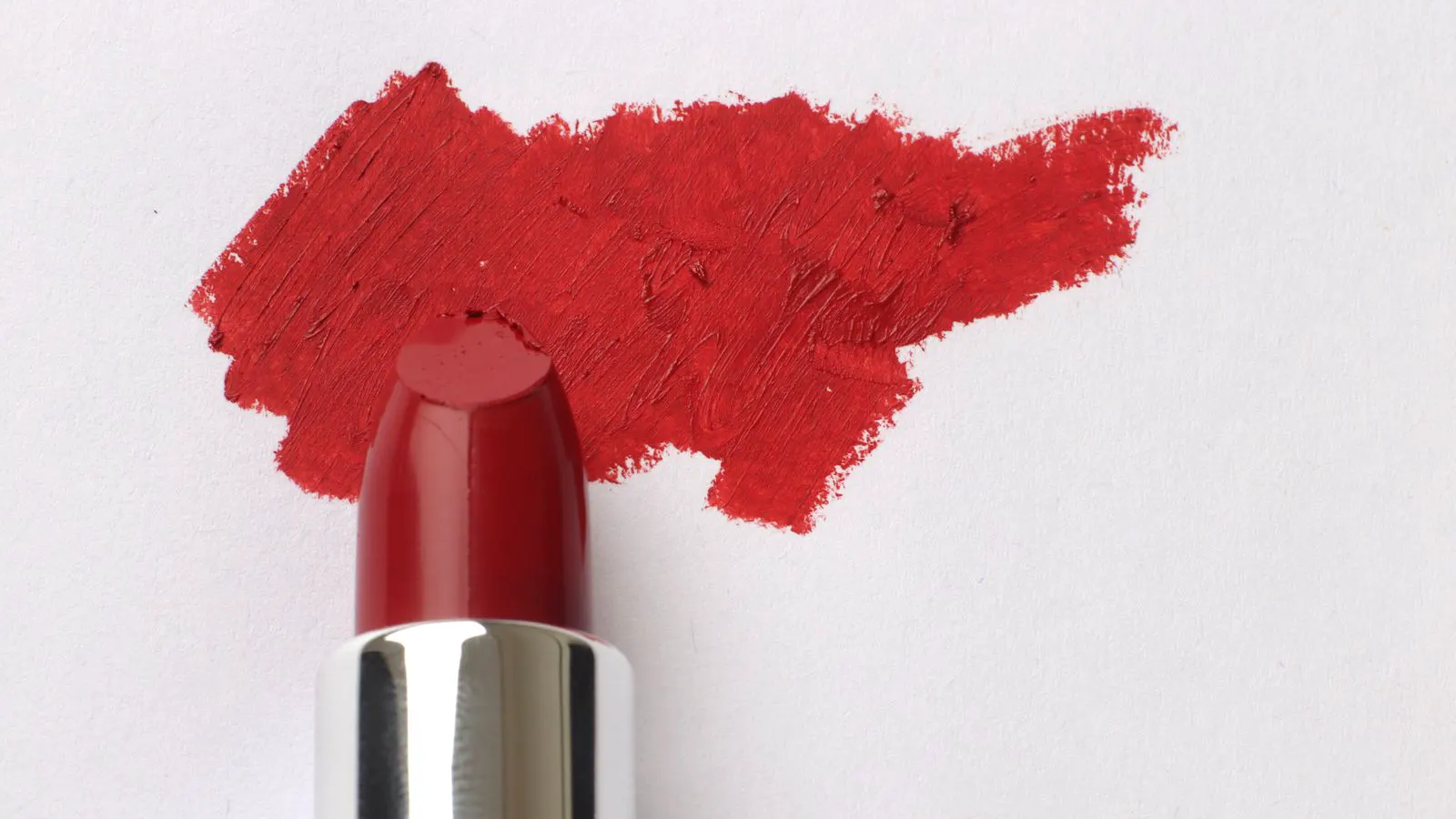
Cracking and separation in lipstick production usually stem from water activity, wax balance, or improper cooling. This guide lists common defects, their likely causes, and specific fixes. It also covers prevention through quality control and product stability testing.
- Cracking often points to high water activity or insufficient emollients in the formula.
- Separation frequently indicates wax or oil imbalance, or rapid cooling during molding.
- Implementing structured quality control checkpoints prevents defects from reaching final packaging.
- Testing product stability under heat and humidity reveals formulation weaknesses early.
- Adjusting cooling rates and using the right mold materials improves physical integrity.
Lipstick production requires precise control over physical state. The product must remain a solid stick while offering a smooth application. When these properties fail, the result looks unprofessional and damages brand reputation. Defects like cracking and separation are physical, not just aesthetic issues. They signal formulation or process errors.
Understanding the Physical Structure of Lipsticks
Lipsticks are solid emulsions or suspensions. They consist of waxes, oils, pigments, and emollients. Waxes provide the structure. Oils and emollients provide slip and texture. Pigments provide color. The balance between these components determines the feel. If the ratio shifts, the product structure weakens.
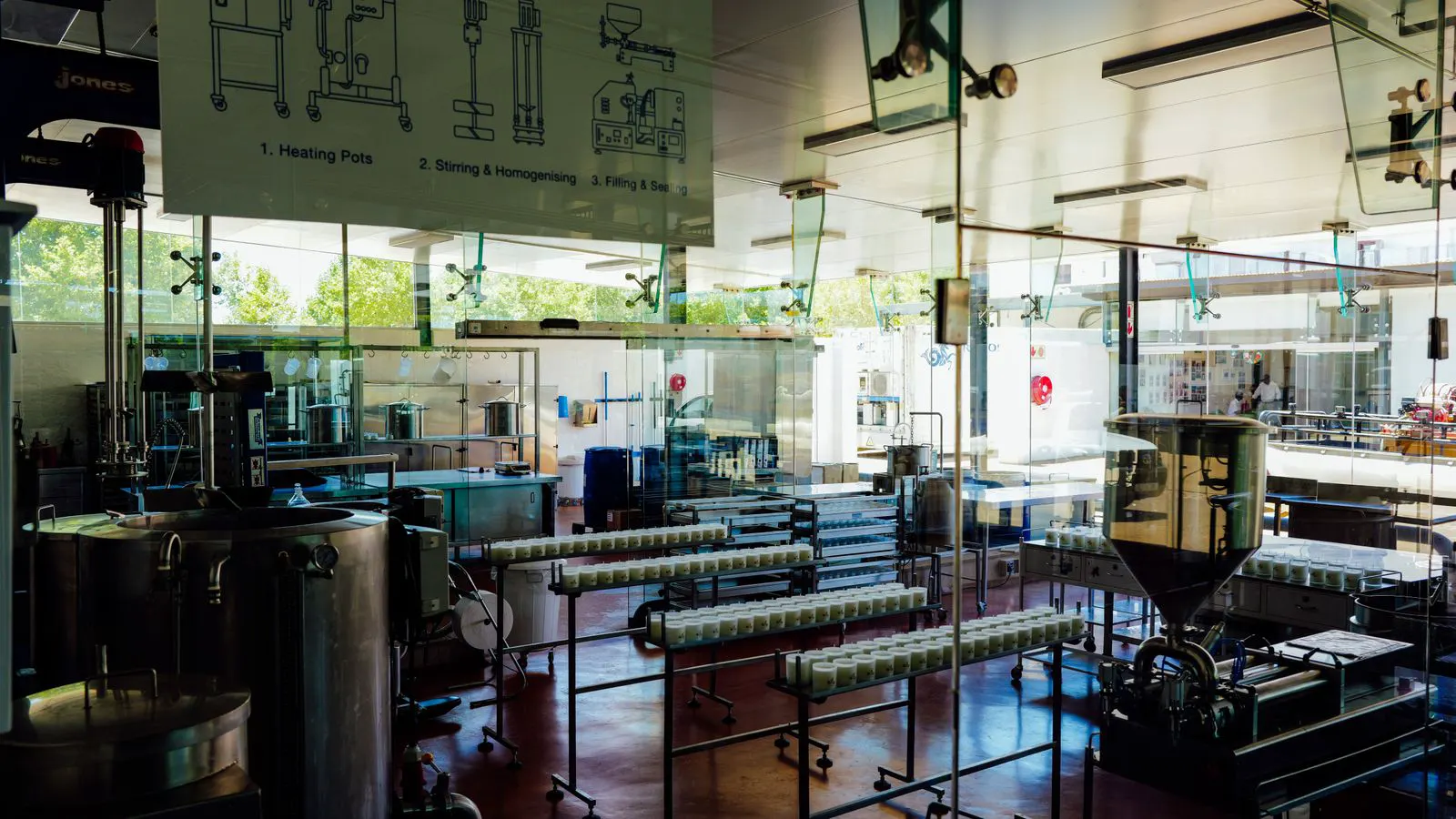
The manufacturing process involves melting ingredients, mixing, and molding. Heat changes the state of these materials. As the mass cools, it hardens into a stick. This phase transition is where many physical defects originate.
Common Symptoms in Lipstick Production
Physical defects are visible to the naked eye. They also affect the application experience. Buyers and end users notice these issues immediately. Below are the most frequent symptoms encountered in a production environment.
| Symptom | Likely cause | What to do |
|---|---|---|
| Surface cracking | High water activity or insufficient emollients | Reduce water content or increase emollient ratio |
| Oil separation (blooming) | Wax to oil imbalance or poor cooling | Adjust wax ratio and slow the cooling rate |
| Crumbly texture | Excessive wax or insufficient softening agents | Lower wax concentration or add plasticizers |
| Shiny residue | Excess surface oil or poor mold release | Optimize oil balance and inspect release agents |
| Uneven color | Poor mixing or pigment settling | Improve mixing time and check pigment stability |
Diagnosing Cracking Defects
Cracking appears as fine lines or fissures on the lip product surface. It is a structural failure. The outer layer dries or hardens too quickly compared to the core. This creates internal stress. When the stick cools, the surface contracts faster than the interior. The tension eventually breaks the surface.
Water activity is a primary driver. High water content increases volatility. As water evaporates during storage or cooling, the matrix shrinks. This shrinkage creates cracks. Emollients help mitigate this by keeping the surface flexible. If the formula lacks adequate emollients, the surface becomes brittle.
Another cause is rapid temperature change. Moving the mass from high heat to a cold mold too quickly causes shock. The outer layer solidifies instantly. The core remains softer. This differential in cooling speed causes stress fractures.
Diagnosing Separation and Blooming
Separation, often called blooming, looks like white spots or a waxy film on the surface. It occurs when internal components migrate outward. Waxes, oils, or other ingredients move to the surface due to thermal or humidity changes.
A common cause is an imbalance in the wax and oil ratio. Too much wax creates a brittle structure that traps heat. As the product cools, the wax may migrate. Too much oil weakens the structure, allowing components to shift. The result is a waxy bloom that disrupts the finish.
Poor cooling is another factor. If the mold is too cold, the outside of the stick sets before the inside. This traps volatile components inside. As the core cools further, it pushes these components out. The surface appears separated or discolored.
Quality Control Checks in Production
Quality control is the first line of defense against physical defects. It must happen at multiple stages. Checking only the final product is too late. Defects must be caught during the manufacturing process.
The first check is the melt state. Inspect the mass for color consistency and viscosity. Look for lumps or uneven pigment distribution. If the mixture is not uniform, the final stick will have color banding. Adjust mixing time or temperature if needed.
The second check is during molding. Monitor the cooling rate. Ensure the mold temperature is consistent. Check the release agent application. Uneven release causes sticking and surface deformation. Visual inspection at this stage catches obvious issues early.
The third check is post-molding. Inspect the sticks for cracks or separation. Use a light source to reveal surface imperfections. Test the texture by gently pressing the surface. Any softness or crumbling indicates a structural problem.
Product Stability Testing
Product stability testing reveals how the formula behaves over time. It simulates real-world conditions. This testing is essential for ensuring long-term performance.
Heat cycling is a standard test. Subject the product to elevated temperatures. This accelerates wax migration and oil separation. If defects appear, the formula needs adjustment.
Humidity exposure is another critical test. High humidity can cause water-related defects. It can soften the structure or cause surface changes. Test the product in a controlled humidity chamber.
Drop and compression tests also help. These simulate physical handling during shipping and retail. A lipstick that cracks under light pressure has a formulation flaw. These tests provide data for improving the formula.
Prevention Strategies for Formulators
Prevention is more effective than correction. Adjusting the formula prevents defects from occurring in the first place. Formulators must balance ingredients carefully.
Start with the base. Choose waxes that provide the right melt point. Hard waxes give structure. Soft waxes provide flexibility. The ratio determines the final texture. Adjust this ratio based on the desired feel.
Consider emollients. They improve slip and reduce brittleness. Choose emollients that are compatible with the wax system. Avoid ingredients that might separate over time.
Cooling rate control is a process parameter. Do not rush the cooling. Allow the mass to cool gradually. This ensures uniform hardening. Invest in molds that allow consistent heat transfer.
Cost Implications of Defects
Physical defects increase production costs. Rejecting defective sticks wastes materials and labor. Reworking the product is often impossible. Once a lipstick is cracked, it cannot be reused.
Quality control failures also damage brand trust. Customers return defective products. This leads to refunds and negative reviews. The cost of these returns can exceed the cost of preventing the defect.
Preventing defects through proper formulation and process control is economically sound. It reduces waste and improves yield. It also protects the brand reputation.
Conclusion
Solving cracking and separation in lipstick production requires a systematic approach. Identify the symptoms. Diagnose the cause. Apply the fix. Then implement prevention. Quality control and product stability testing are the backbone of a reliable process. By understanding the physical structure and controlling the manufacturing parameters, formulators can produce high-quality lipsticks.
Frequently asked questions
What is the main cause of cracking in lipstick production?
Cracking is usually caused by high water activity or insufficient emollients. Rapid cooling can also create surface stress that leads to cracks.
How can I prevent oil separation in my lipstick formula?
Adjust the wax to oil ratio and control the cooling rate. Slow cooling allows components to stay in place.
Does mold temperature affect lipstick quality?
Yes. Mold temperature affects the cooling rate. Too cold a mold can cause separation or cracking.
What tests should I run for product stability?
Run heat cycling and humidity exposure tests. These simulate storage conditions and reveal defects early.
Can I fix a cracked lipstick after molding?
No. Cracked lipsticks are generally rejected. The defect is structural and cannot be repaired in the finished state.